Selecting the right farm equipment is a critical decision for any agricultural operation. From maximizing efficiency and yield to ensuring long-term sustainability, the machinery you choose directly impacts your success. This article will provide a comprehensive overview of the types of farm equipment available, factors to consider when purchasing, and how to choose solutions that align with your farm's specific needs. We’ll explore the latest advancements in agricultural technology and how they can benefit your operation.
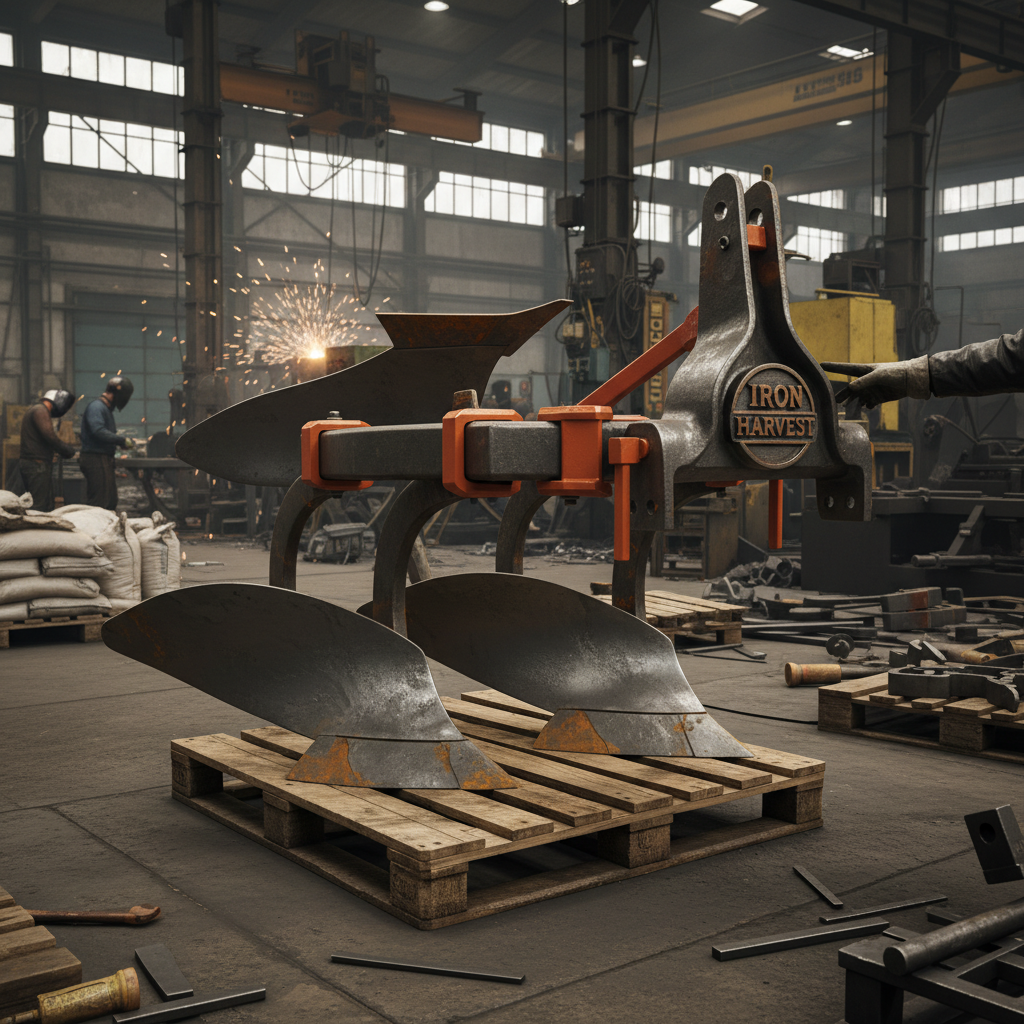
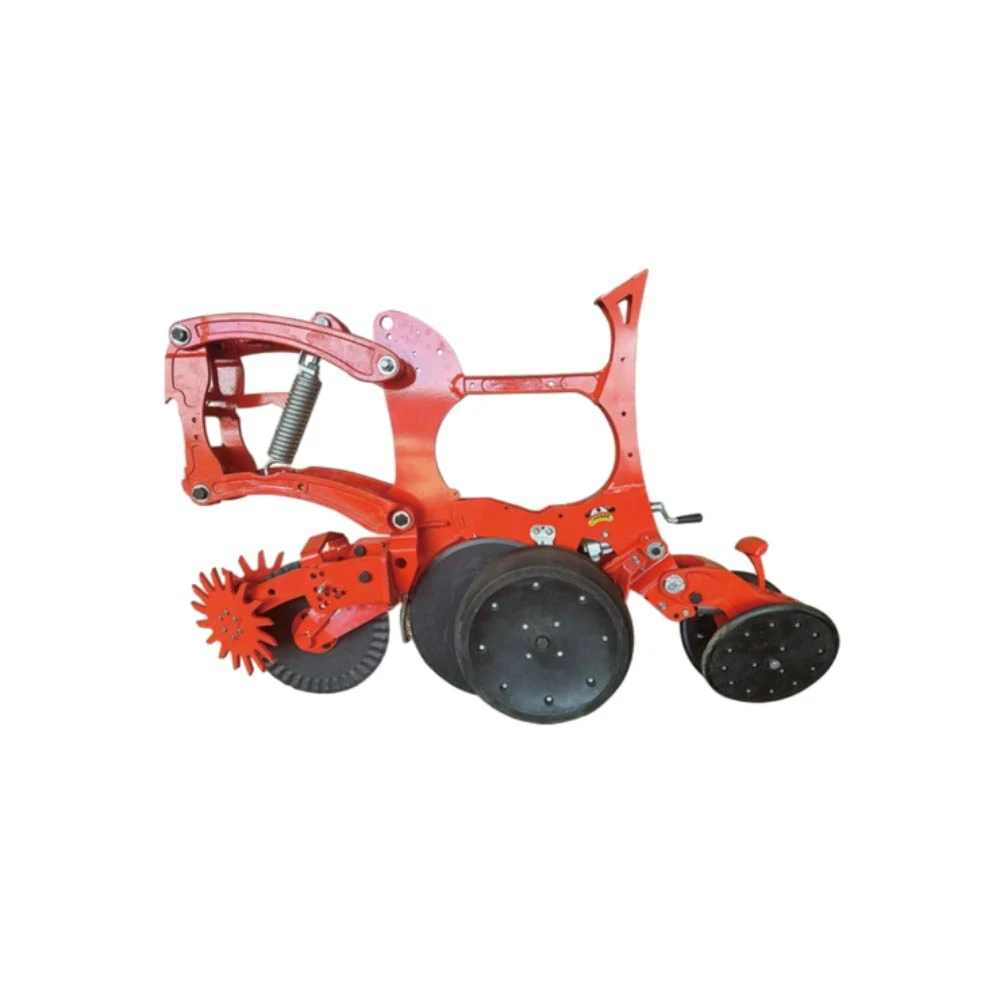
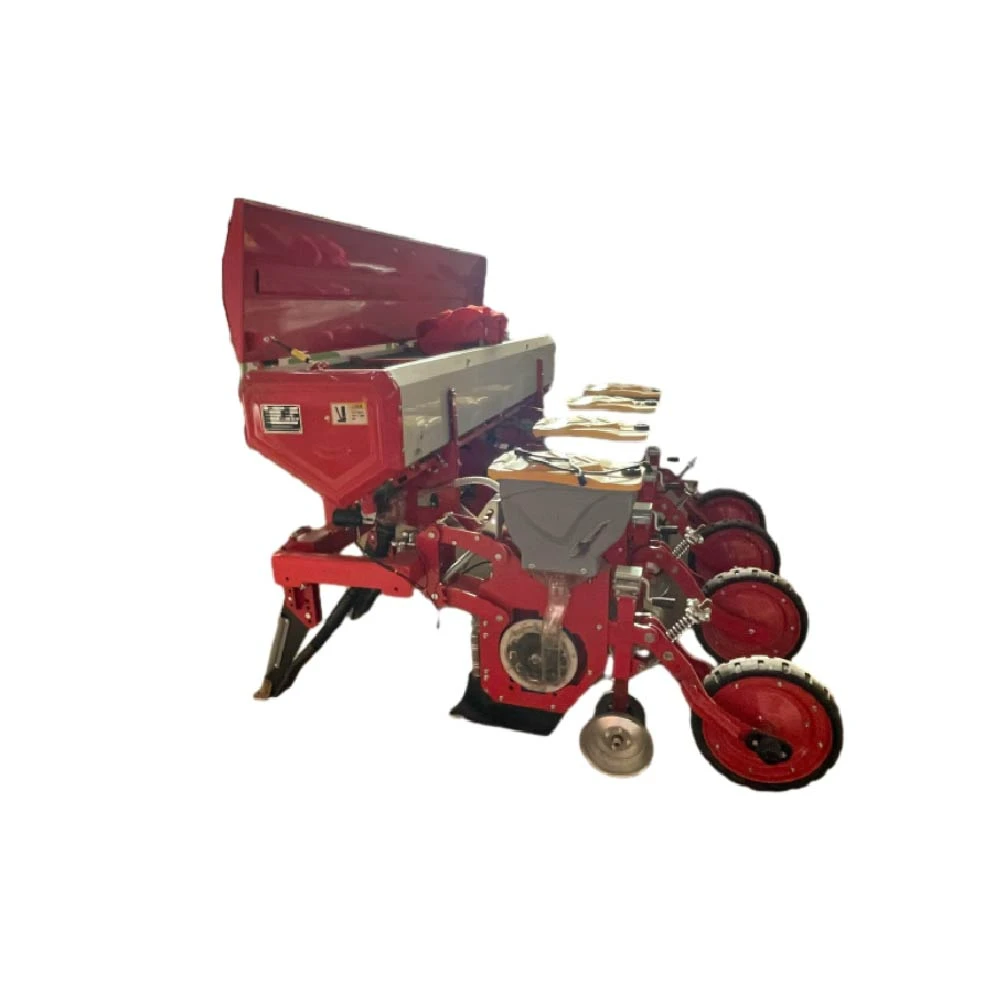
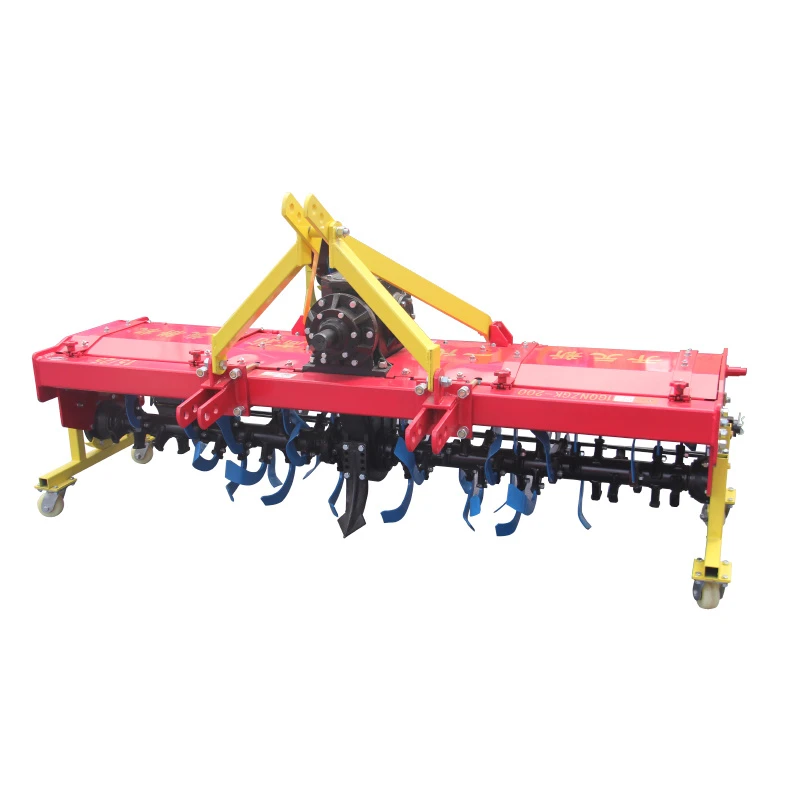
Farm equipment is broadly categorized based on its function. Tillage equipment, such as plows and cultivators, prepares the soil for planting. Planting and seeding equipment precisely places seeds in the ground. Harvesting equipment, including combines and forage harvesters, collects the crops. Haying equipment, like mowers and balers, preserves forage for animal feed. Material handling equipment, such as tractors with loaders and conveyors, moves products around the farm. Finally, spraying and fertilizing equipment applies essential nutrients and crop protection products. Choosing the right combination of these categories is fundamental to optimizing your farm's workflow. At Langningam, we offer a wide range of equipment to cover all these essential areas.
Key Takeaway: A diversified range of equipment allows for flexibility and efficiency across all stages of the farming process.
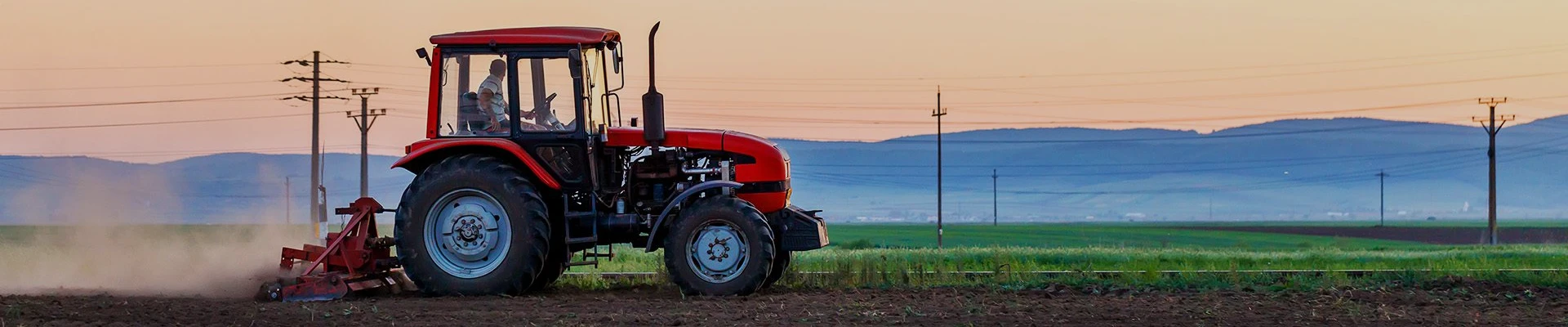
Tractors are arguably the most versatile piece of farm equipment. They can be fitted with a vast array of implements to perform tasks ranging from plowing and planting to hauling and mowing. Tractor power is measured in horsepower (HP), and selecting the appropriate HP depends on the size of your farm and the type of work you'll be doing. Smaller farms might operate effectively with tractors in the 40-80 HP range, while larger operations may require tractors with 100 HP or more. Modern tractors often feature advanced technologies like GPS guidance and automated steering to increase precision and efficiency.
Key Considerations for Tractor Purchase:
• Horsepower (HP): Match the HP to your farm's needs.
• Transmission Type: Choose between manual, power shift, or continuously variable transmissions (CVT).
• Hydraulic Capacity: Ensure sufficient hydraulic capacity for your implements.
• Cab Comfort: Consider features like air conditioning and suspension for operator comfort.
Harvesting is a time-sensitive and crucial phase of farming. Choosing the right harvesting equipment can significantly impact crop yield and quality. Combines are used for harvesting grain crops like wheat, corn, and soybeans. Forage harvesters are designed for harvesting grasses and other forage crops for silage. Potato harvesters and beet harvesters specialize in harvesting root crops. The best choice depends on the types of crops you grow and the scale of your operation.
Modern farm equipment is increasingly incorporating advanced technologies. GPS guidance systems enable precision farming, reducing overlap and maximizing efficiency. Variable rate technology (VRT) allows for the precise application of fertilizers and pesticides, optimizing resource use and minimizing environmental impact. Telematics systems provide real-time data on equipment performance, enabling proactive maintenance and reducing downtime. Investing in technology can significantly improve profitability and sustainability.
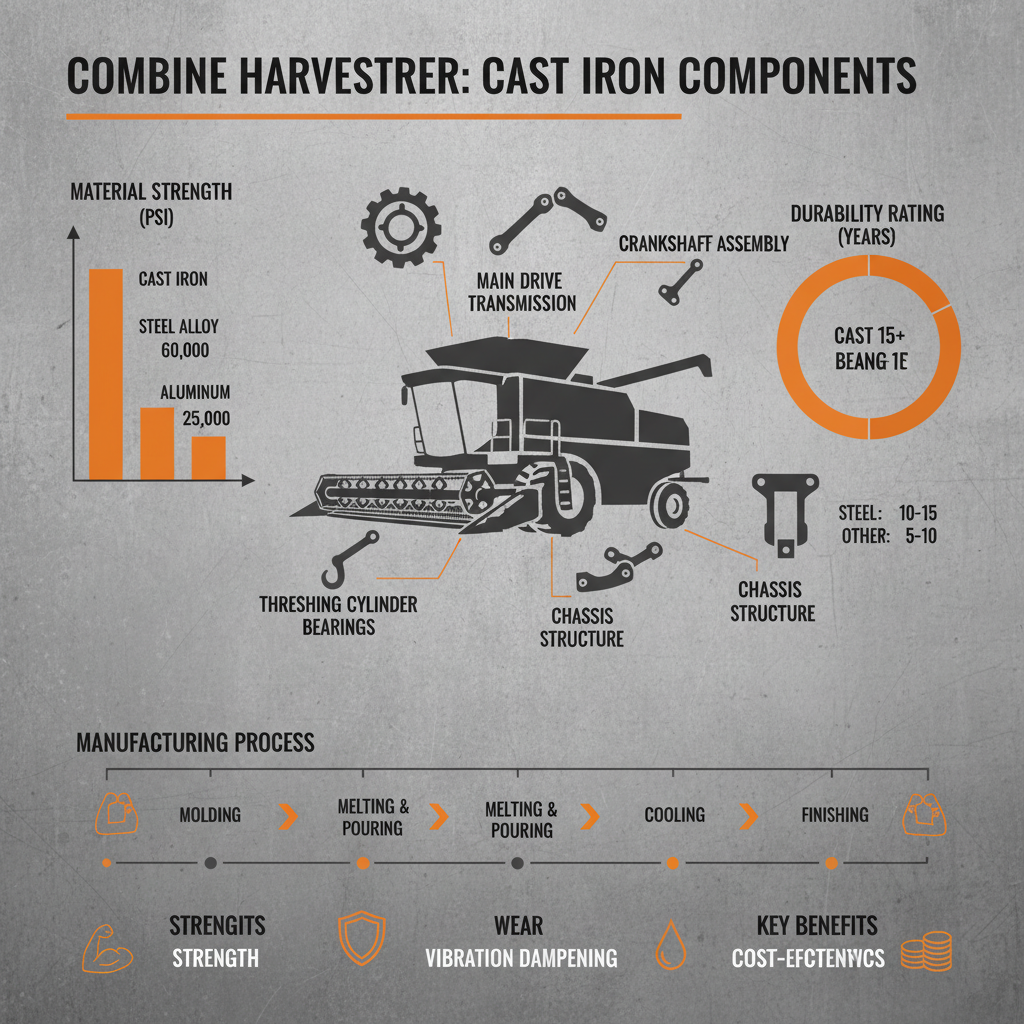
Before making a purchase, carefully consider your farm's specific needs. Farm size, crop types, budget, and available labor are all critical factors. New vs. Used: Used equipment can offer cost savings, but may require more maintenance. Financing options: Explore financing options to make larger purchases more manageable. Dealer support: Choose a dealer that provides reliable service and parts support. At Langningam, we’re committed to providing expert guidance and support to help you select the best equipment for your operation.
Choosing the right farm equipment is an investment in your farm's future. By carefully considering your needs, exploring available technologies, and partnering with a reputable dealer, you can optimize efficiency, increase yield, and ensure long-term sustainability. Don't hesitate to contact us at Langningam for expert advice and support.
Regular maintenance is crucial. This includes daily checks for fluid levels, tire pressure, and wear and tear. Adhere to the manufacturer's recommended maintenance schedule, including oil changes, filter replacements, and lubrication. Proper storage during the off-season is also essential. Protect equipment from the elements and perform necessary repairs promptly. Investing in preventative maintenance saves you money in the long run by reducing costly breakdowns and extending the life of your equipment.
Several financing options are available, including traditional bank loans, equipment leasing, and manufacturer financing programs. Each option has its own advantages and disadvantages. Bank loans typically require a down payment and have fixed interest rates. Leasing allows you to use the equipment without owning it, offering tax benefits. Manufacturer financing often provides competitive rates and flexible terms. Consult with a financial advisor to determine the best financing option for your specific situation.
Technology plays a vital role in modern farming. GPS guidance systems improve planting and harvesting accuracy, reducing waste and maximizing yields. Variable rate technology optimizes fertilizer and pesticide application, lowering costs and minimizing environmental impact. Telematics provides valuable data on equipment performance, enabling predictive maintenance and reducing downtime. Precision farming techniques, powered by technology, lead to increased efficiency, profitability, and sustainability.
Choosing a dealer with a strong service department and readily available parts is essential. Langningam offers comprehensive service and parts support for all the equipment we sell. We have trained technicians who can diagnose and repair any issue. We also maintain a large inventory of genuine parts to ensure quick turnaround times. A reliable service partner minimizes downtime and keeps your equipment running smoothly.