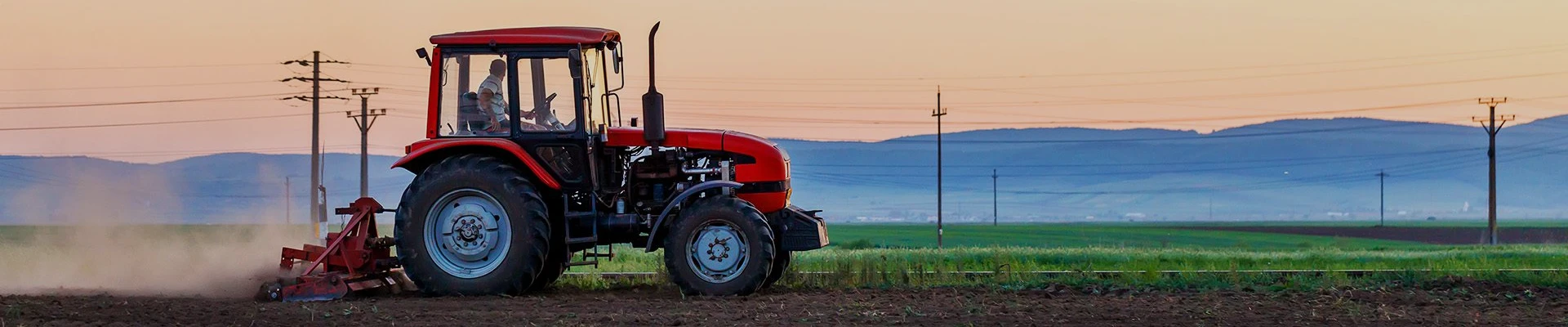
Investing in the right farm and equipment is crucial for maximizing efficiency, productivity, and profitability in modern agriculture. From tractors and harvesters to precision planting tools and irrigation systems, the choices can be overwhelming. This guide will explore the essential categories of farm equipment, factors to consider when making purchasing decisions, and the latest technological advancements shaping the industry. Whether you're a small-scale farmer or manage a large agricultural operation, understanding the nuances of farm equipment is paramount for success.
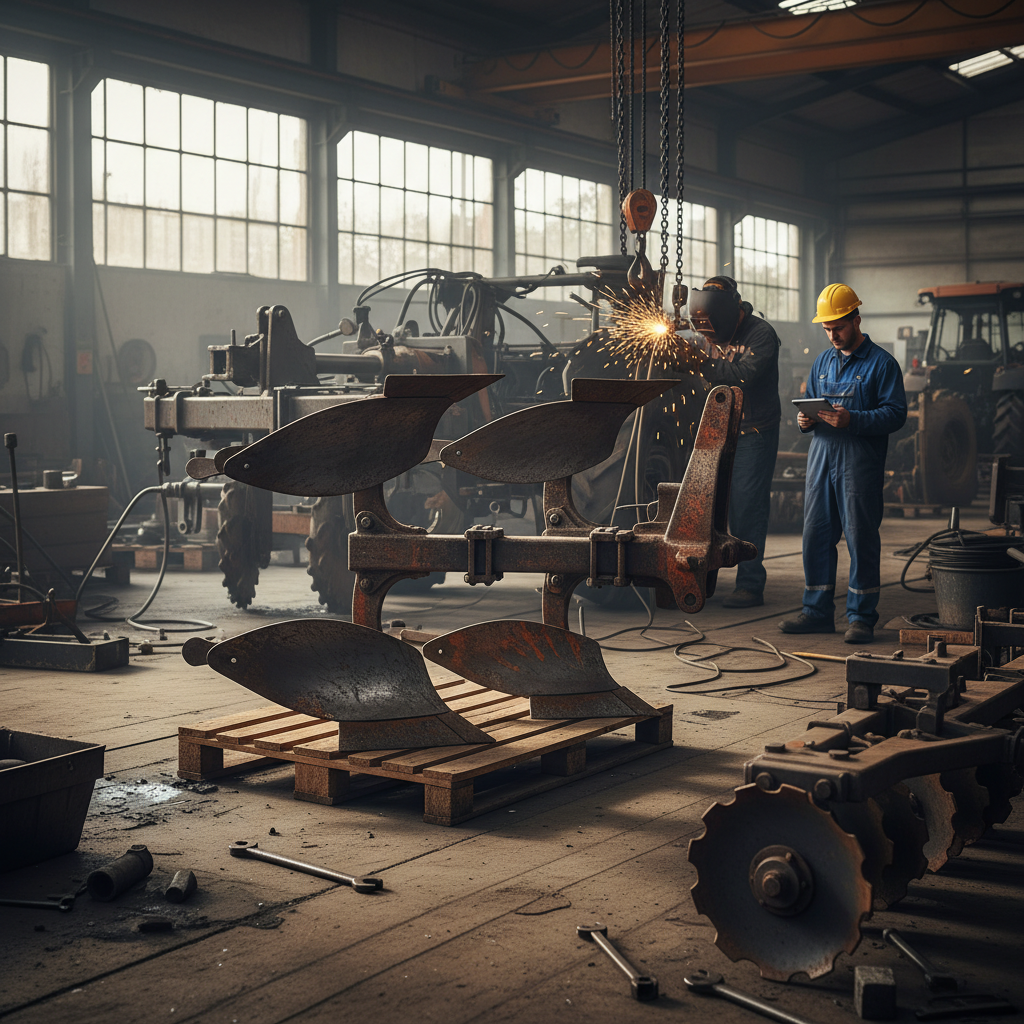
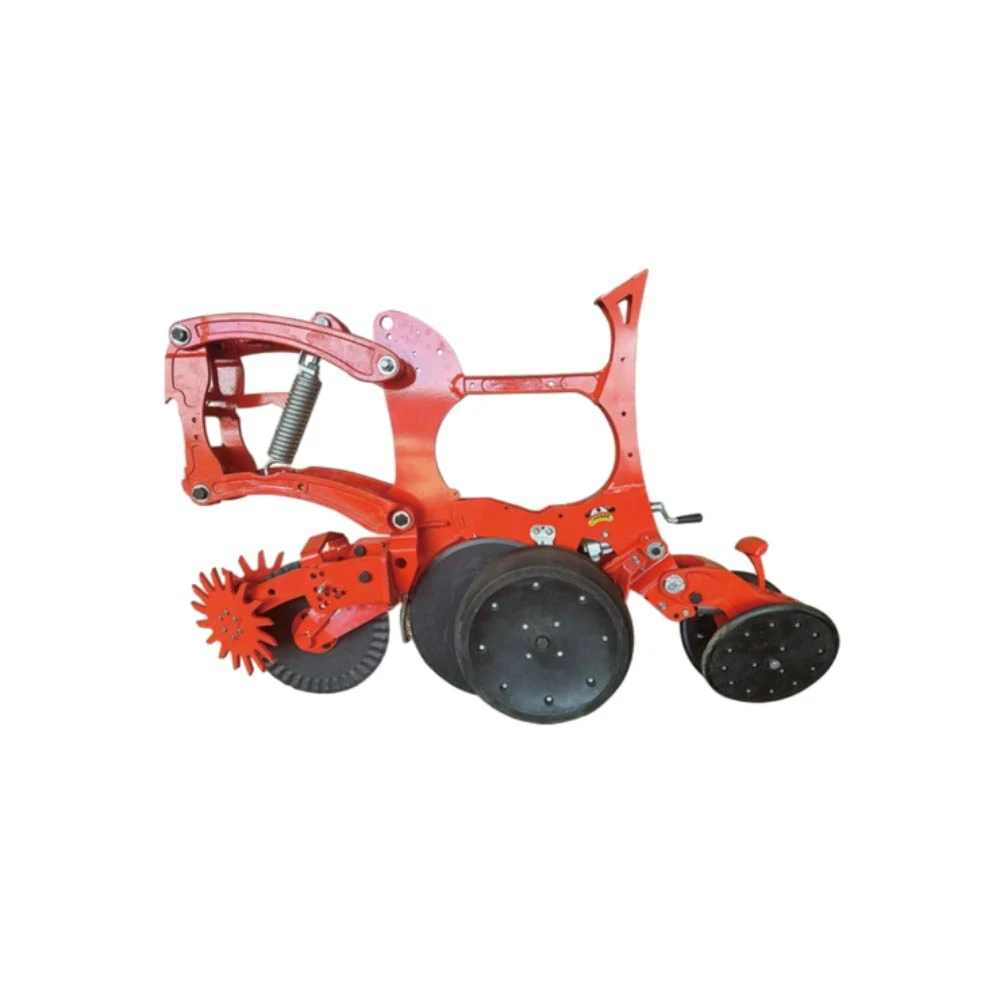
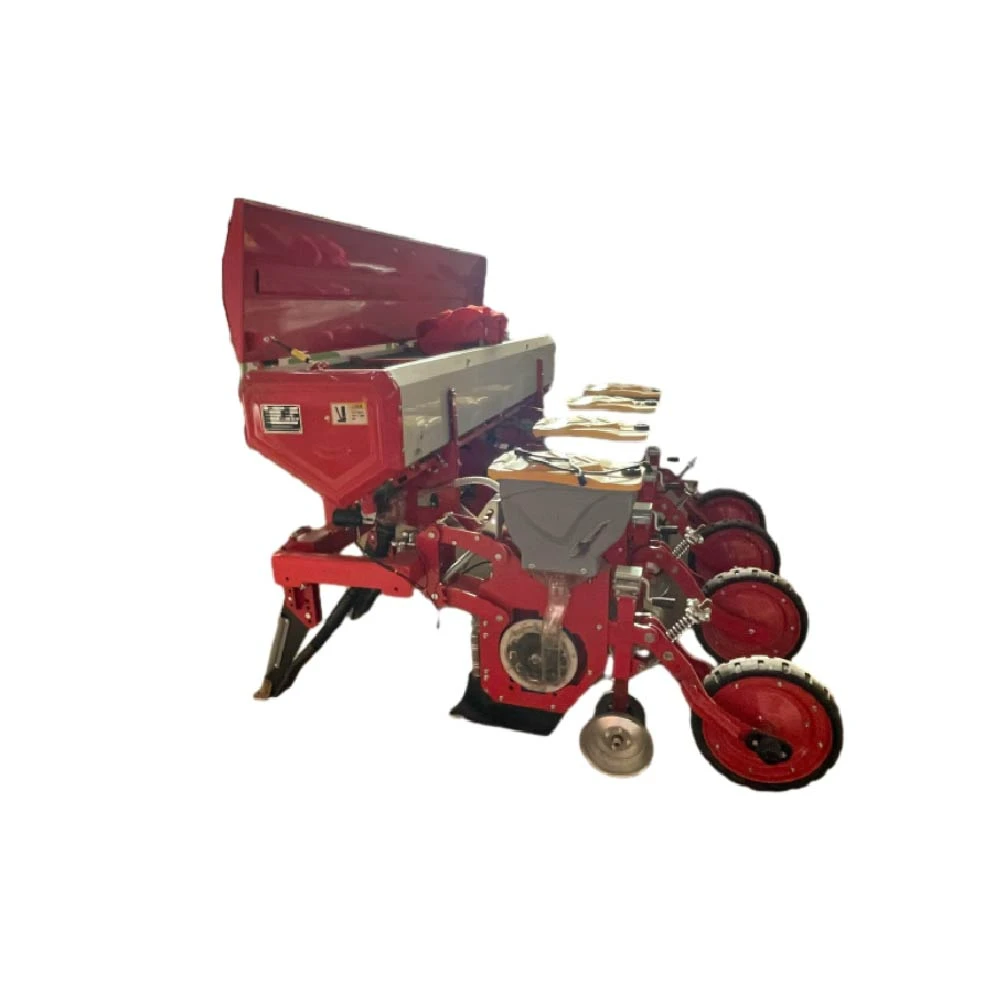
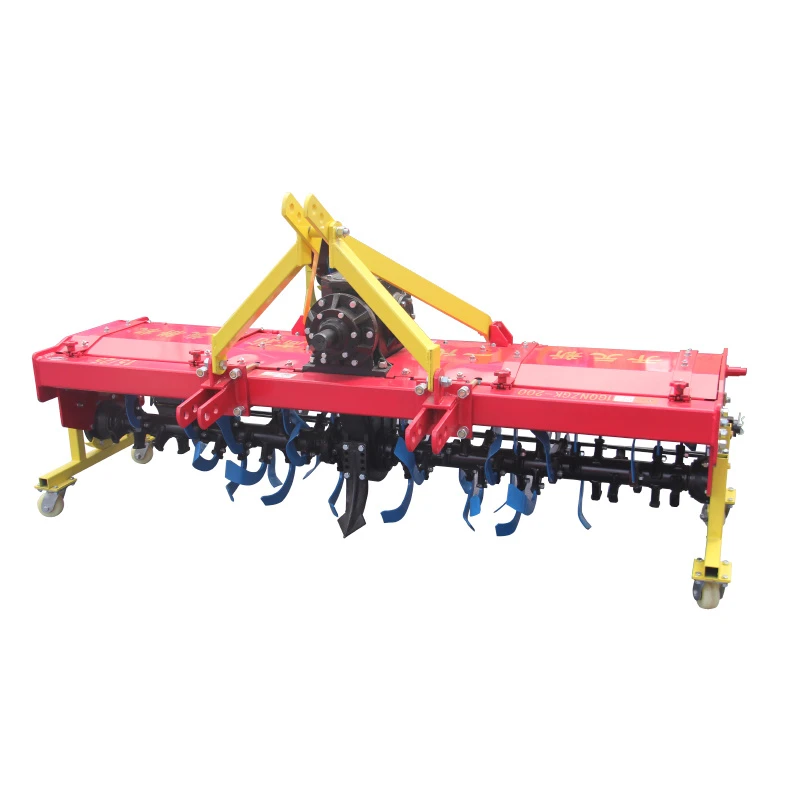
Farm equipment can be broadly categorized into several essential groups. Tillage equipment prepares the soil for planting, including plows, harrows, and cultivators. Planting equipment precisely places seeds in the ground, encompassing seed drills, planters, and transplanters. Harvesting equipment gathers crops when they are mature, such as combines, forage harvesters, and fruit pickers. Material handling equipment efficiently moves crops and supplies, including tractors with loaders, conveyors, and grain bins. Finally, irrigation equipment provides water to crops, utilizing sprinklers, drip systems, and pumps. Choosing the right equipment for each stage of the farming process is vital for optimizing yields and reducing labor costs. Langningam offers a diverse range of equipment to meet varying agricultural needs.
Key Highlight: Investing in the right farm equipment translates directly to increased efficiency, higher yields, and improved profitability.
Several factors should guide your farm equipment purchasing decisions. Farm size and type of crops dictate the scale and specialization of the equipment needed. Budget constraints require careful assessment of affordability and financing options. Terrain and soil conditions influence the type of tillage and traction capabilities required. Maintenance and repair costs must be considered alongside the initial purchase price. Finally, technology and automation offer opportunities to enhance efficiency but require an understanding of the learning curve and integration challenges. Prioritizing these factors will ensure a sound investment that aligns with your farm's specific requirements. Langningam's experienced team can help assess your needs.
Purchasing Considerations:
• Farm size and type of crops
• Budget constraints and financing options
• Terrain and soil conditions
• Maintenance and repair costs
Tractors are the workhorses of most farms, and selecting the appropriate horsepower is critical. Smaller farms (under 100 acres) may suffice with tractors in the 40-60 horsepower range for basic tasks. Medium-sized farms (100-500 acres) typically require tractors between 70-150 horsepower to handle a wider variety of operations. Large-scale farms (over 500 acres) often utilize tractors exceeding 150 horsepower, equipped with advanced features like GPS guidance and auto-steering. Understanding the capabilities of each horsepower range is crucial for optimizing performance and avoiding under- or over-investment.
Technology is rapidly transforming the agricultural landscape. Precision agriculture utilizes sensors, data analytics, and GPS technology to optimize resource allocation and improve crop yields. Smart farm equipment, such as self-driving tractors and drones, automate tasks, reduce labor costs, and enhance efficiency. Data-driven insights provide farmers with real-time information about soil conditions, crop health, and weather patterns, enabling them to make informed decisions. Embracing these technologies is essential for staying competitive in the modern agricultural industry.
Regular maintenance is vital for ensuring the longevity and performance of your farm equipment. This includes routine inspections, lubrication, filter replacements, and timely repairs. Following the manufacturer's recommended maintenance schedule is crucial. Proper storage during the off-season protects equipment from the elements. Investing in quality parts and skilled technicians can prevent costly breakdowns and extend the life of your valuable assets. Langningam provides comprehensive maintenance services and genuine replacement parts.
Selecting the right farm and equipment is a significant investment that directly impacts your farm's productivity and profitability. By carefully considering your needs, budget, and the latest technological advancements, you can make informed decisions that set your farm up for success. Don't hesitate to leverage the expertise of industry professionals and explore financing options to acquire the tools you need to thrive.
There are several financing options available for farm equipment. Traditional bank loans are a common choice, offering competitive interest rates and flexible terms. Government-backed loan programs, such as those offered by the Farm Service Agency (FSA), provide favorable terms for eligible farmers. Equipment leasing offers the benefit of lower upfront costs and predictable monthly payments. Finally, manufacturer financing programs often provide specialized financing options for their equipment. Carefully compare the terms and conditions of each option to determine the best fit for your financial situation.
Preventative maintenance is absolutely critical. Regular inspections, lubrication, and minor repairs can prevent major breakdowns that can disrupt your operations and lead to costly repairs. Following the manufacturer’s maintenance schedule is essential. Addressing small issues promptly can prevent them from escalating into larger, more expensive problems. Investing in preventative maintenance will significantly extend the life of your equipment and maximize your return on investment.
GPS technology offers numerous benefits, including precise guidance for tractors and other equipment, reducing overlap and optimizing field coverage. It enables variable-rate application of fertilizers and pesticides, minimizing waste and maximizing efficiency. GPS data can be used to create accurate yield maps, providing insights into crop performance. Furthermore, GPS tracking helps monitor equipment location and usage, enhancing security and optimizing resource allocation.
Finding a reputable supplier is crucial for ensuring quality and reliability. Langningam is a trusted provider of farm equipment, offering a wide range of products and excellent customer service. Local dealerships can provide personalized support and maintenance services. Online marketplaces can offer competitive pricing but require careful vetting of suppliers. Always check reviews, compare prices, and verify the supplier's reputation before making a purchase.