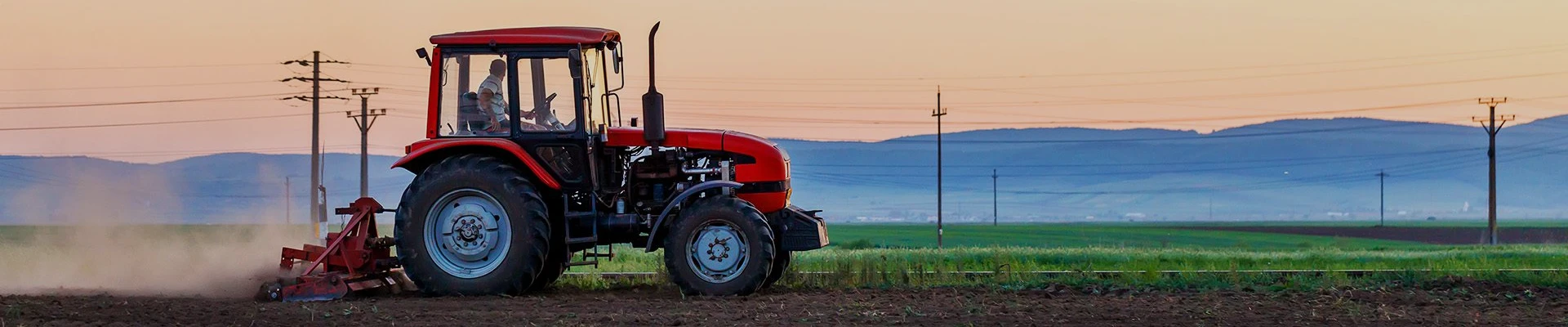
The agricultural and forestry sectors demand robust, reliable equipment to maximize efficiency and productivity. Selecting the right farm & forestry equipment is crucial for success, impacting everything from planting and harvesting to land management and timber processing. This article will explore the key considerations when choosing equipment, the types available, and why investing in quality is paramount. We'll also highlight how Langningam provides tailored solutions for diverse needs.
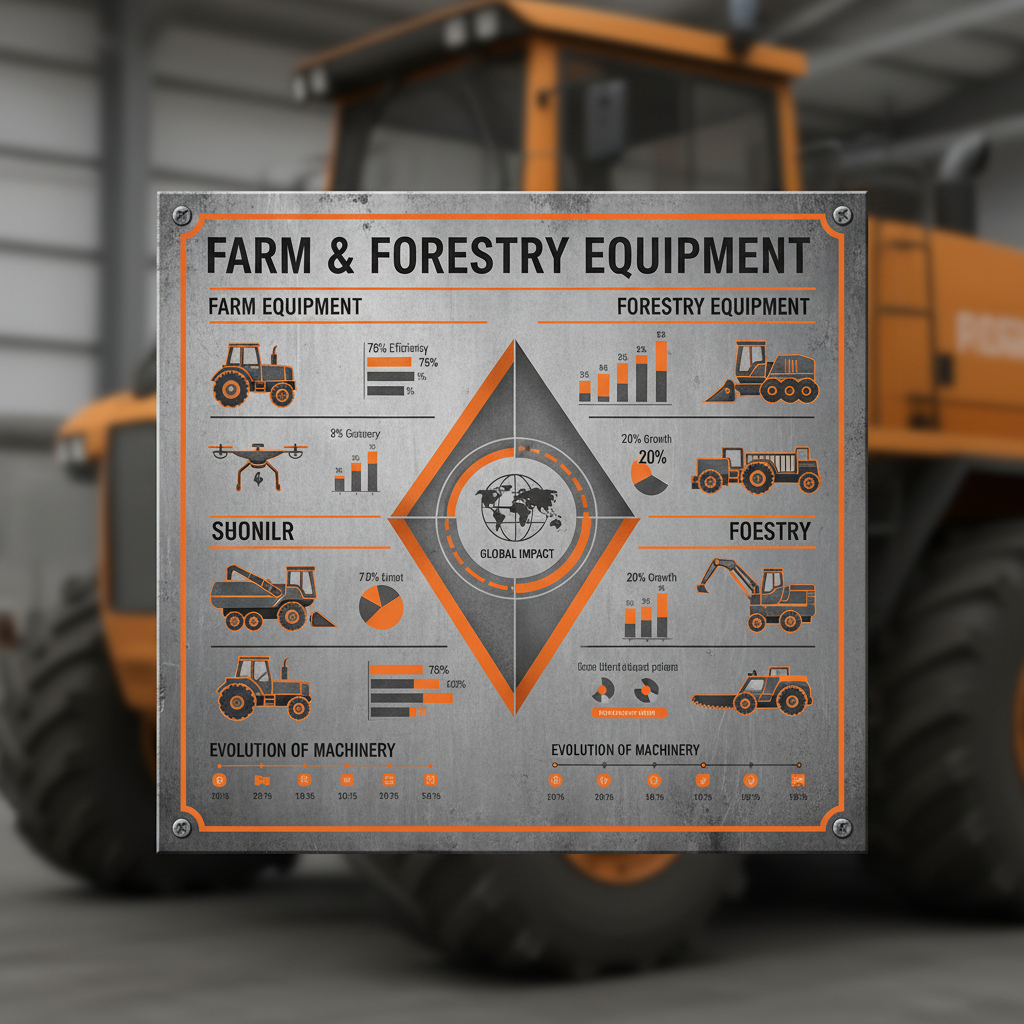
Before diving into specific equipment, it's vital to analyze your operational requirements. Consider the size of your land, the types of crops or trees you're managing, the terrain, and your budget. Will the equipment be used for heavy-duty tasks or lighter maintenance? What level of automation are you looking for? Answering these questions will narrow down your options and ensure you invest in equipment that genuinely meets your needs. Furthermore, think about future expansion plans – selecting versatile equipment can provide long-term value.
Key Factors to Consider: Land size, crop/tree type, terrain, budget, automation level, and future expansion.
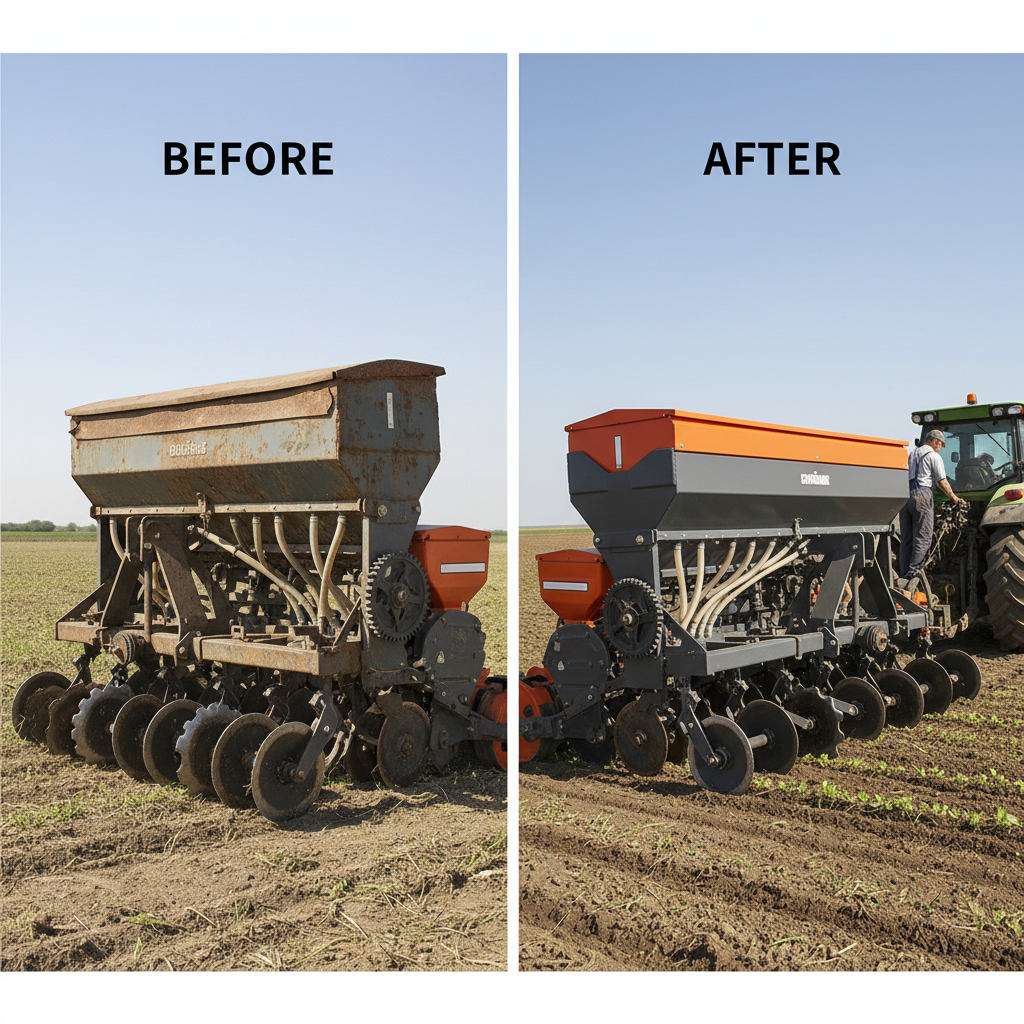
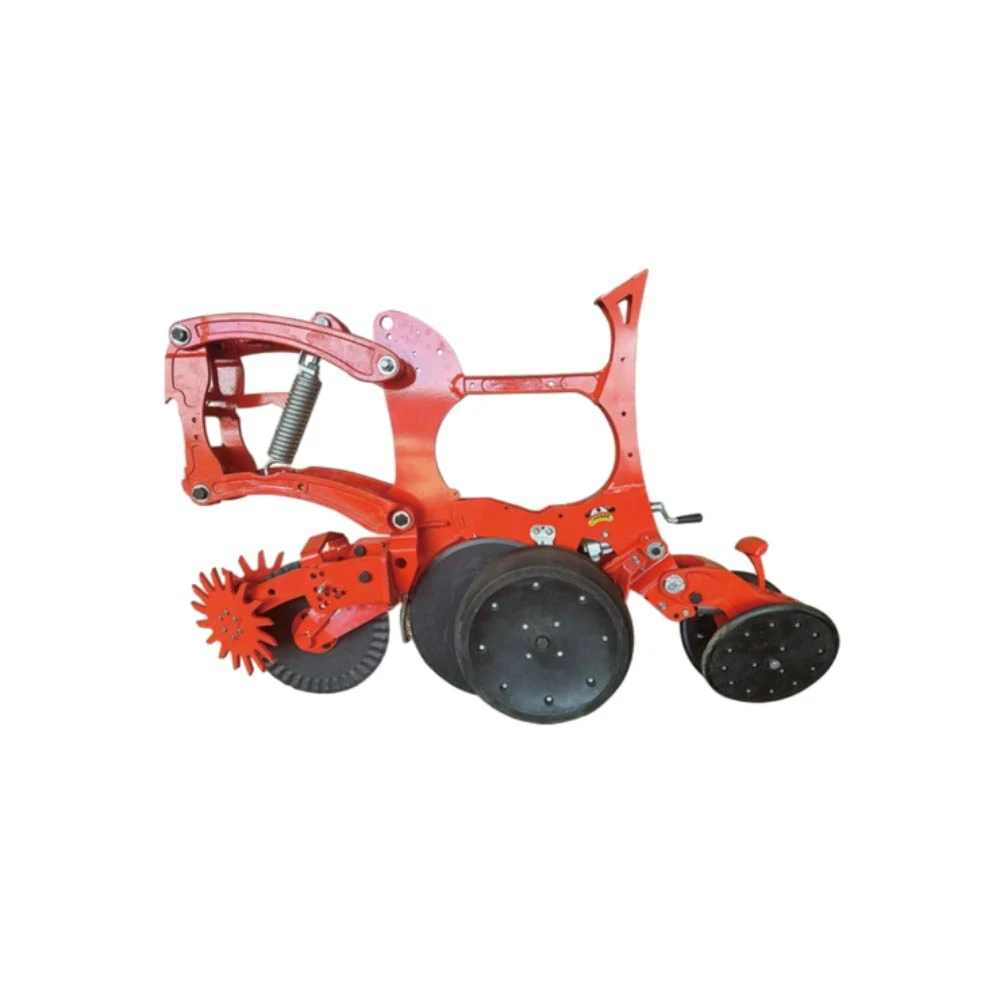
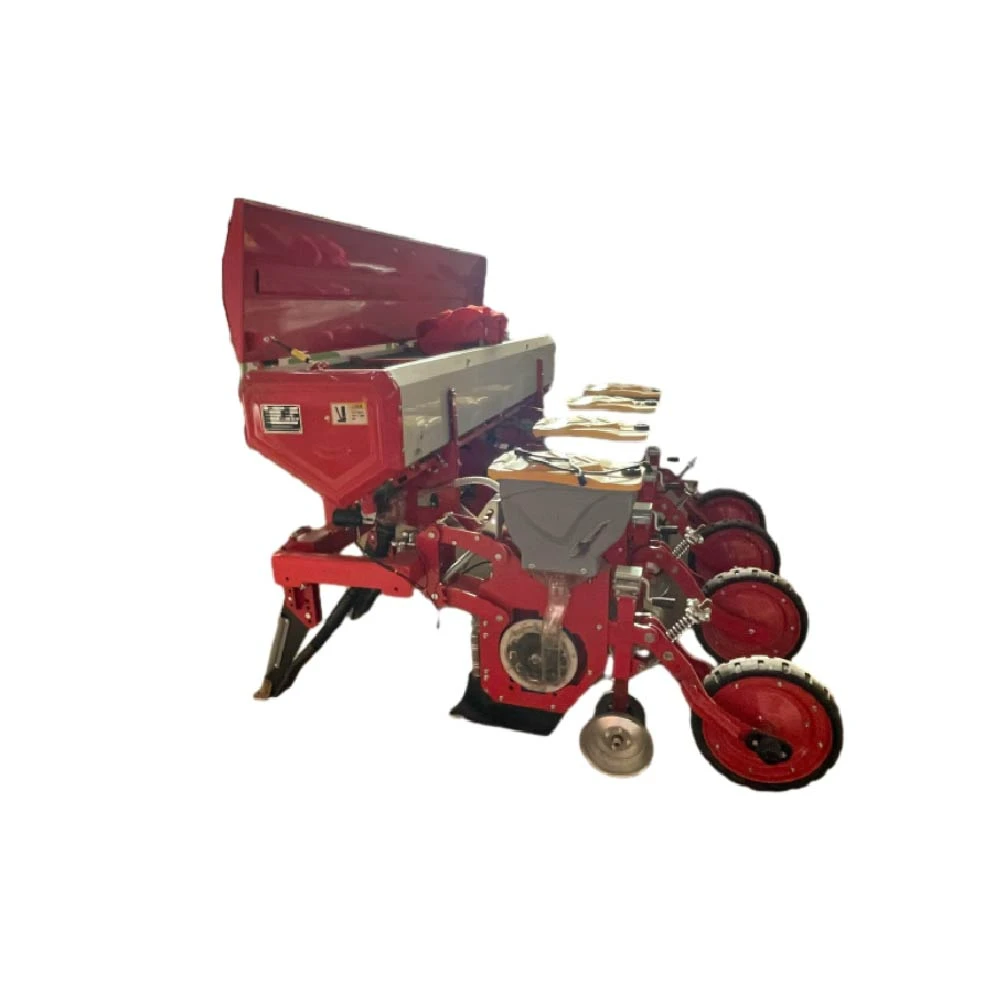
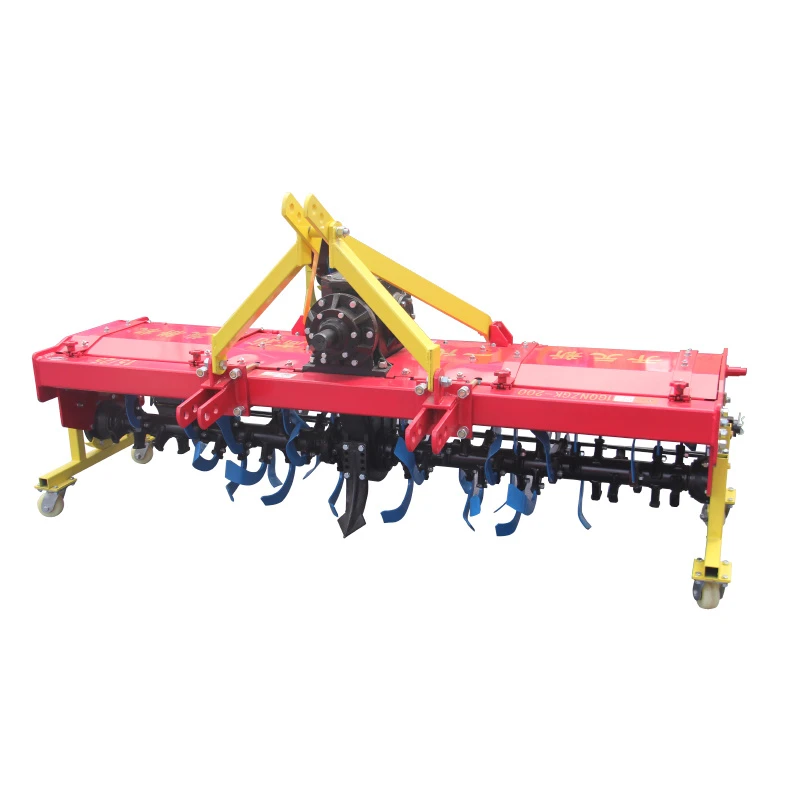
The range of farm & forestry equipment is extensive. For farming, this includes tractors, combines, planters, harvesters, sprayers, and irrigation systems. Forestry equipment encompasses feller bunchers, skidders, log loaders, chippers, and wood processors. Specialized equipment like ATVs and UTVs are also widely used for transportation and general tasks. The specific equipment you choose will depend heavily on the nature of your operations. For example, a vineyard will require vastly different equipment than a large-scale grain farm.
Common Equipment Categories:
• Farming Equipment: Tractors, Combines, Planters, Harvesters
• Forestry Equipment: Feller Bunchers, Skidders, Log Loaders
• Utility Vehicles: ATVs, UTVs
Tractors are the workhorses of any farm. However, selecting the right tractor requires understanding different features and capabilities. Horsepower, drivetrain (2WD or 4WD), transmission type, and lift capacity are all important factors. Here's a comparison of common tractor types:
Investing in high-quality farm & forestry equipment might represent a higher upfront cost, but it yields substantial long-term benefits. Durable equipment requires less frequent repairs and maintenance, minimizing downtime and maximizing productivity. Reliable equipment also contributes to safety, reducing the risk of accidents and injuries. Consider brands with a proven track record and positive customer reviews. Furthermore, access to dependable parts and service is crucial for keeping your equipment running smoothly.
At Langningam, we understand the challenges faced by farmers and forestry professionals. We offer a comprehensive range of high-quality equipment designed to enhance efficiency and productivity. Our team of experts provides tailored solutions, ensuring you get the right equipment for your specific needs. We are committed to providing exceptional customer service and support, from initial consultation to ongoing maintenance. We prioritize quality, reliability, and innovation to empower your success.
Choosing the right farm & forestry equipment is an investment in your future. By carefully assessing your needs, prioritizing quality and reliability, and partnering with a trusted supplier like Langningam, you can optimize your operations and achieve lasting success.
Several factors are crucial when selecting a tractor, including horsepower, intended use, terrain, and budget. Horsepower dictates the tractor's ability to handle demanding tasks. Consider whether you need a 2WD or 4WD model based on the terrain. Your budget will influence the features and capabilities you can afford. Think about the implements you'll need to operate with the tractor and ensure the tractor has sufficient lift capacity and power take-off (PTO) capabilities. It’s also wise to consider fuel efficiency and long-term maintenance costs.
The lifespan of forestry equipment varies significantly depending on usage intensity, maintenance practices, and the type of equipment. Generally, well-maintained feller bunchers, skidders, and log loaders can last between 8,000 to 15,000 hours. Regular maintenance, including oil changes, filter replacements, and component inspections, is essential for extending the lifespan. Operating the equipment within its designed capacity and avoiding harsh conditions will also contribute to longevity.
Operator safety is paramount. Comprehensive training is essential, covering proper equipment operation, safety procedures, and hazard identification. Regular equipment inspections should be conducted to identify and address any potential safety issues. Ensure operators wear appropriate personal protective equipment (PPE), including helmets, safety glasses, and hearing protection. Implement a strict maintenance schedule to prevent equipment failures. Furthermore, promoting a safety-conscious culture within your organization is crucial.
Several financing options are available to help you acquire the farm & forestry equipment you need. These include traditional bank loans, equipment leasing, and manufacturer financing programs. Government-backed loan programs may also be available in certain regions. Leasing can be a good option if you prefer lower monthly payments and the flexibility to upgrade equipment at the end of the lease term. Working with a financial advisor can help you determine the best financing option for your specific circumstances.