In recent agricultural developments, field cultivators are gaining significant attention among farmers seeking efficient soil preparation and improved crop production. As planting seasons approach, farmers across the country are turning to these versatile machines to ensure optimal soil conditions for a variety of crops, including corn, wheat, and soybeans.
Field cultivators are designed to loosen and aerate soil, break up compacted layers, and integrate crop residues into the ground. This process not only enhances water absorption and root growth but also improves nutrient distribution, contributing to healthier plants and higher yields. Experts emphasize that proper soil preparation is crucial for successful farming, particularly in regions where heavy machinery and intensive cropping can lead to soil compaction.
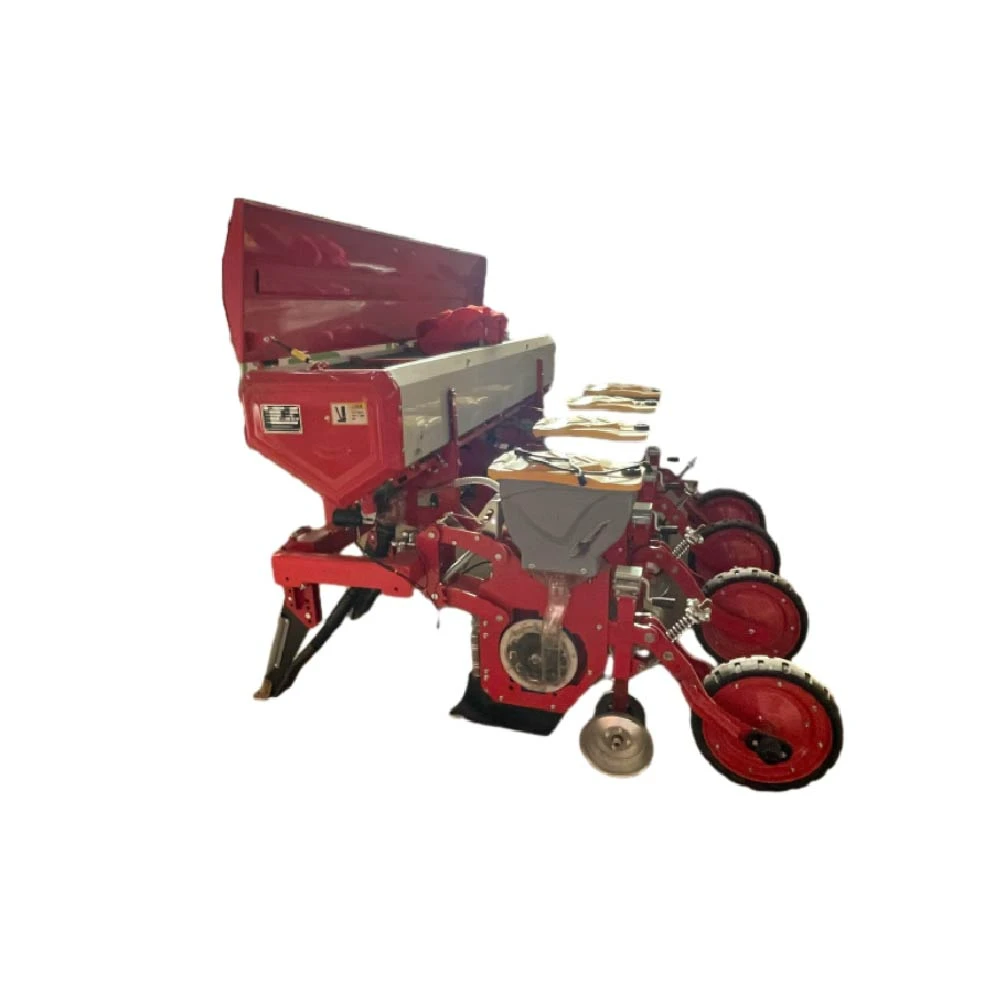
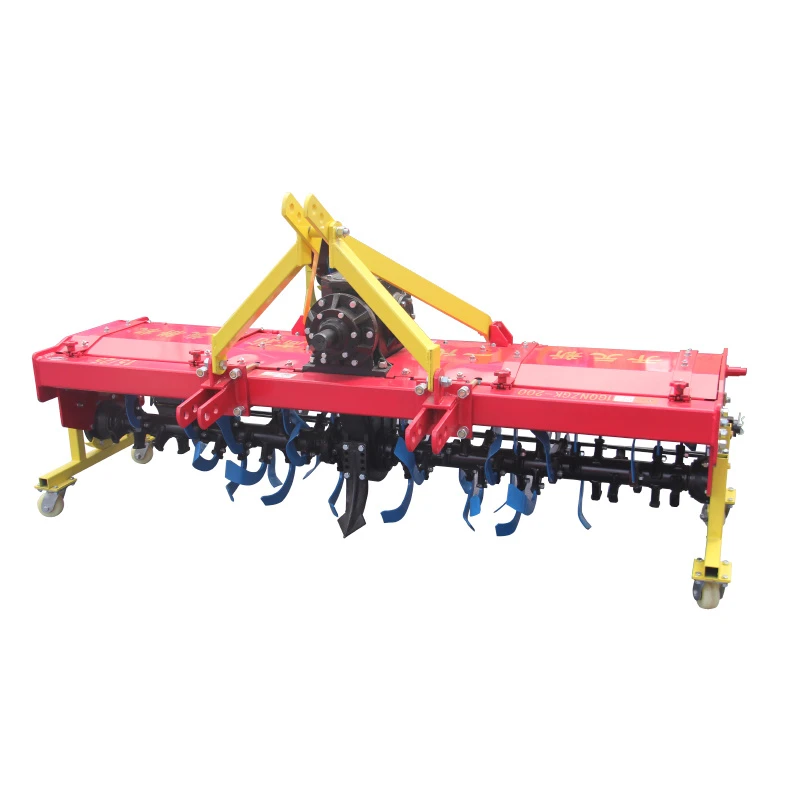
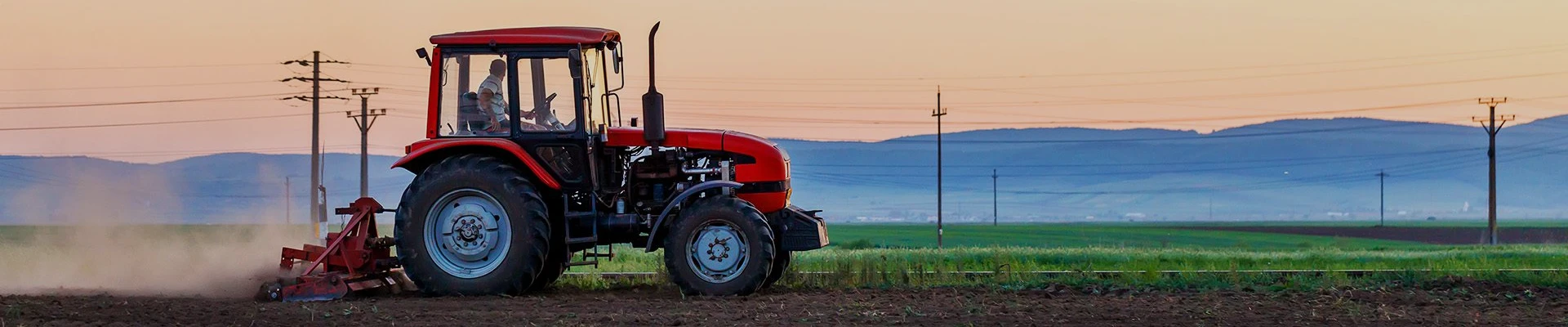
Modern field cultivators come equipped with adjustable tines, shanks, and finishing tools, allowing farmers to customize cultivation depth and spacing according to soil type and crop requirements. Many models are also designed for attachment to tractors, offering both flexibility and efficiency for large-scale agricultural operations. This adaptability makes field cultivators a preferred choice for farmers looking to save time and reduce labor costs while maintaining high productivity.
Another significant advantage highlighted by agricultural specialists is the cultivator’s role in weed management. By disrupting weed growth early in the season, farmers can reduce reliance on chemical herbicides, supporting more sustainable and eco-friendly farming practices. Some advanced cultivators now feature precision technology, enabling real-time monitoring and adjustments to soil conditions, further enhancing their effectiveness.
Industry analysts predict that the demand for field cultivators will continue to grow as farmers increasingly focus on soil health and sustainable practices. By investing in high-quality cultivation equipment, farmers are positioning themselves to achieve better crop performance, maximize yields, and ensure long-term agricultural sustainability.