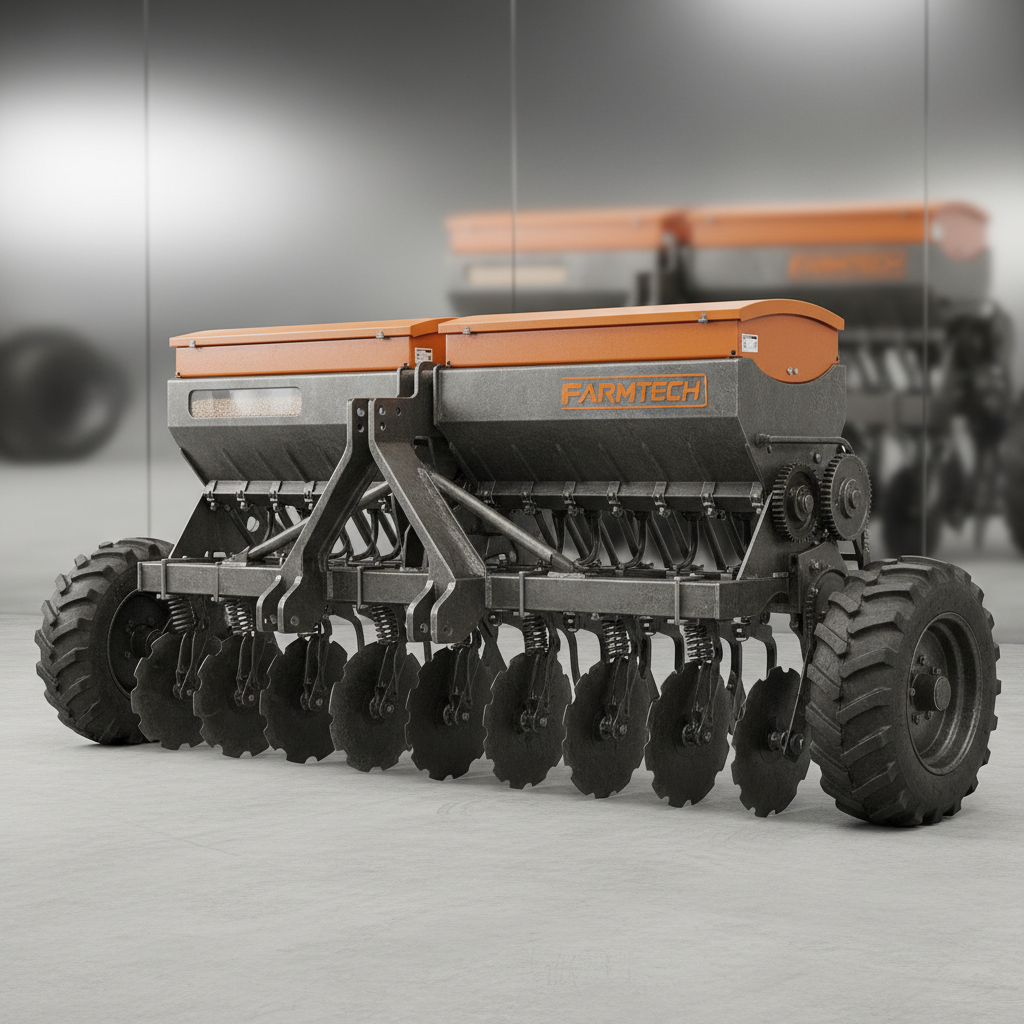

As the planting season gains momentum, farmers across the country are increasingly relying on the moldboard plow, a traditional yet highly effective tool, to enhance soil quality and boost crop production. Known for its ability to invert soil layers, the moldboard plow remains a staple in modern agriculture for preparing fields for a successful growing season.
The moldboard plow works by cutting through and turning over the top layer of soil, burying crop residues, weeds, and organic matter. This process improves soil aeration, enhances water retention, and exposes fresh soil for planting. Experts note that this method not only helps in creating a smooth seedbed but also contributes to long-term soil fertility, which is vital for high-yield crops such as wheat, corn, and soybeans.
Modern versions of the moldboard plow are designed with adjustable blades and durable frames, allowing farmers to customize plowing depth and angle according to soil type and field conditions. Many plows are also compatible with tractors, improving efficiency and enabling farmers to cover larger areas with less labor. Agricultural specialists emphasize that such adaptability makes the moldboard plow a practical choice for both small family farms and large-scale commercial operations.
In addition to soil preparation, moldboard plows play a crucial role in weed and pest management. By burying weeds and crop residues, plows reduce the prevalence of pests and minimize the need for chemical herbicides, promoting more sustainable farming practices. Some advanced plows now incorporate precision farming technology, allowing real-time adjustments to optimize soil conditions and increase productivity.
Industry analysts predict steady demand for moldboard plows as farmers prioritize soil health, efficiency, and sustainability. With their proven effectiveness and versatility, moldboard plows continue to be an essential tool for modern agriculture, helping farmers achieve stronger, healthier crops while safeguarding soil for future generations.