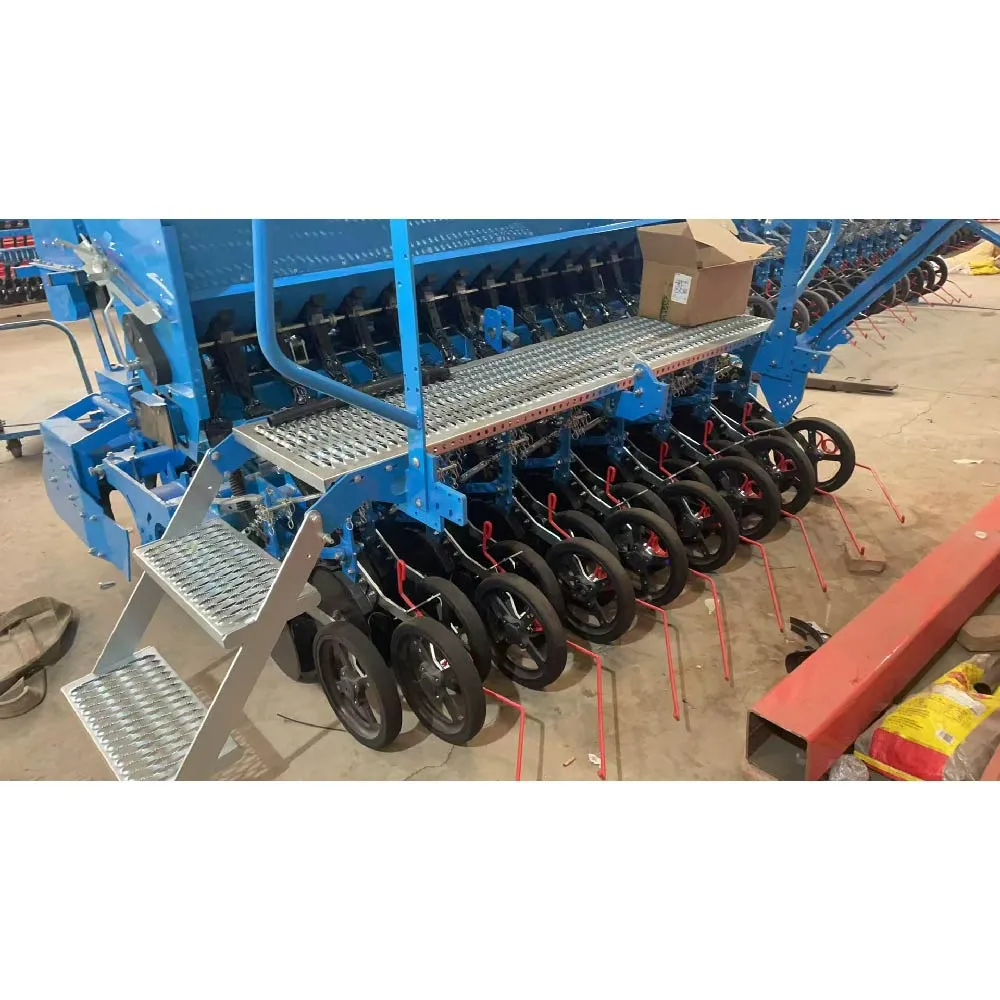
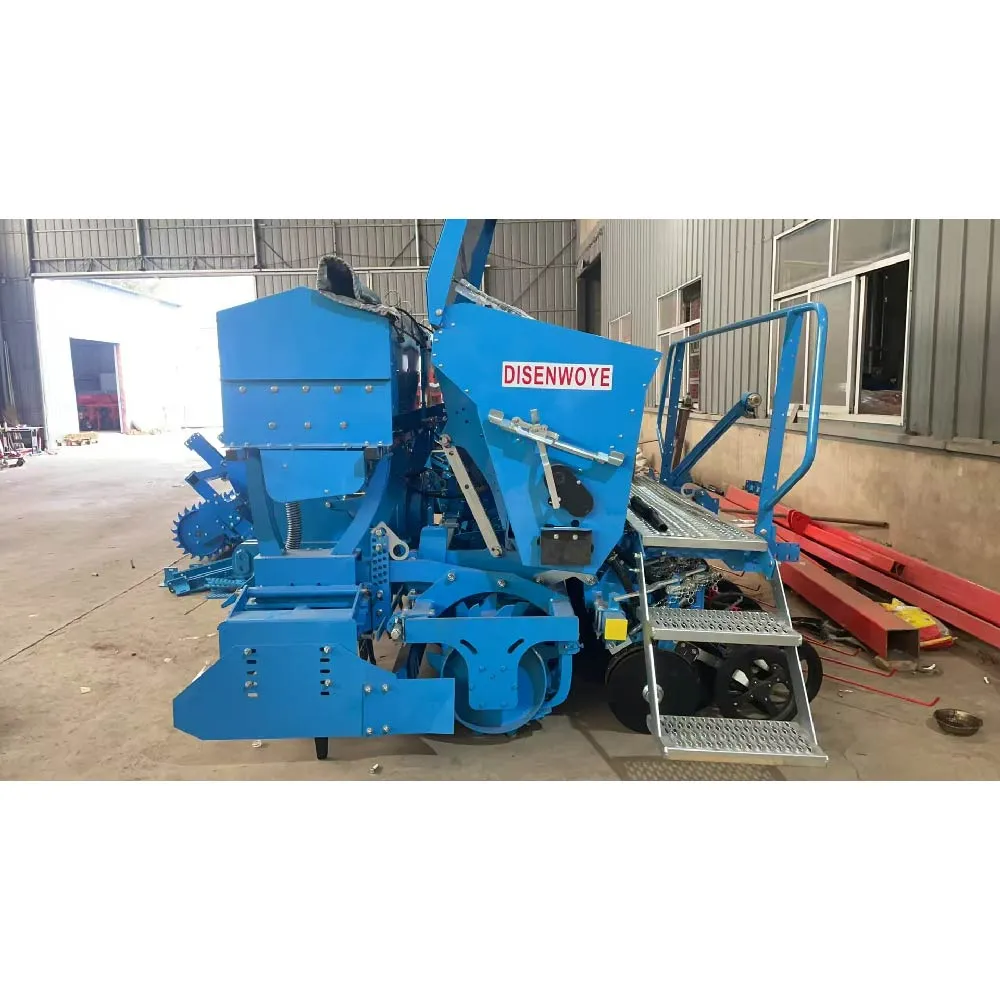
Product Description
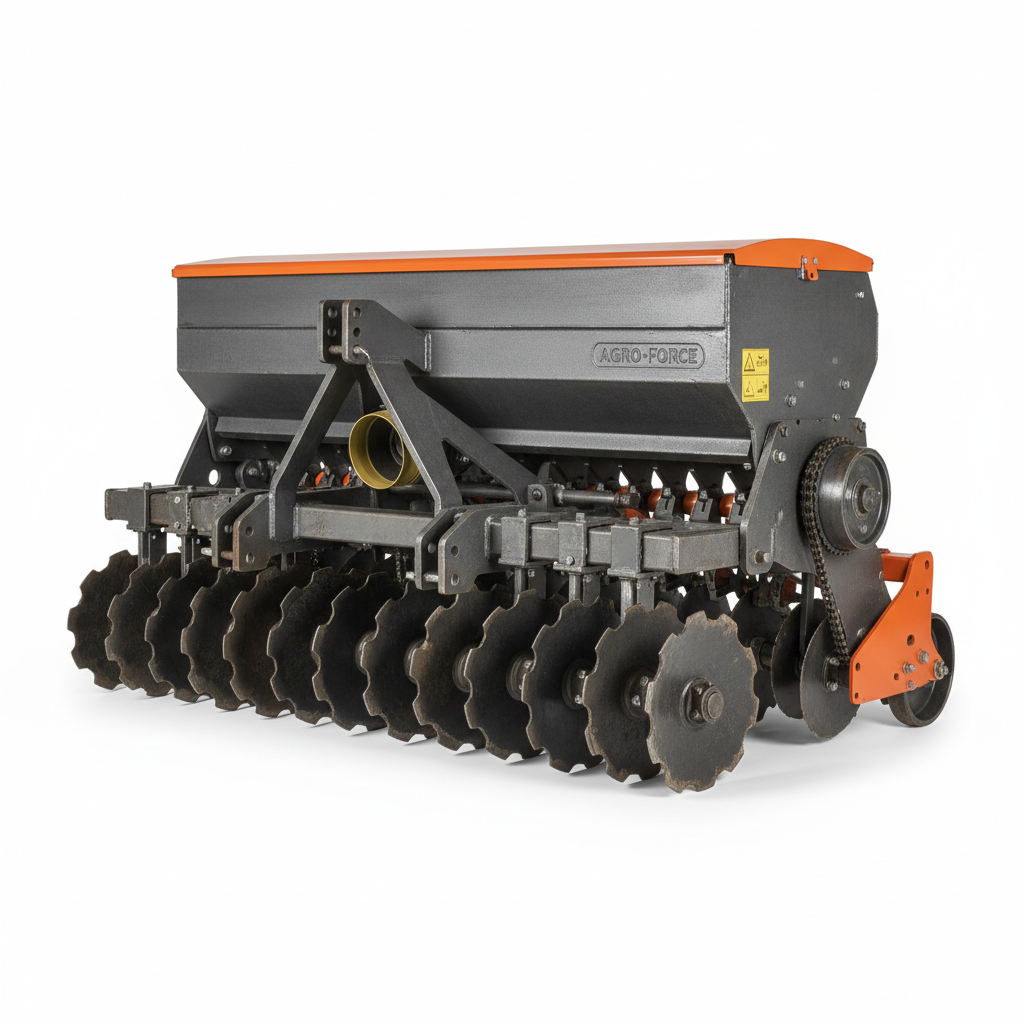
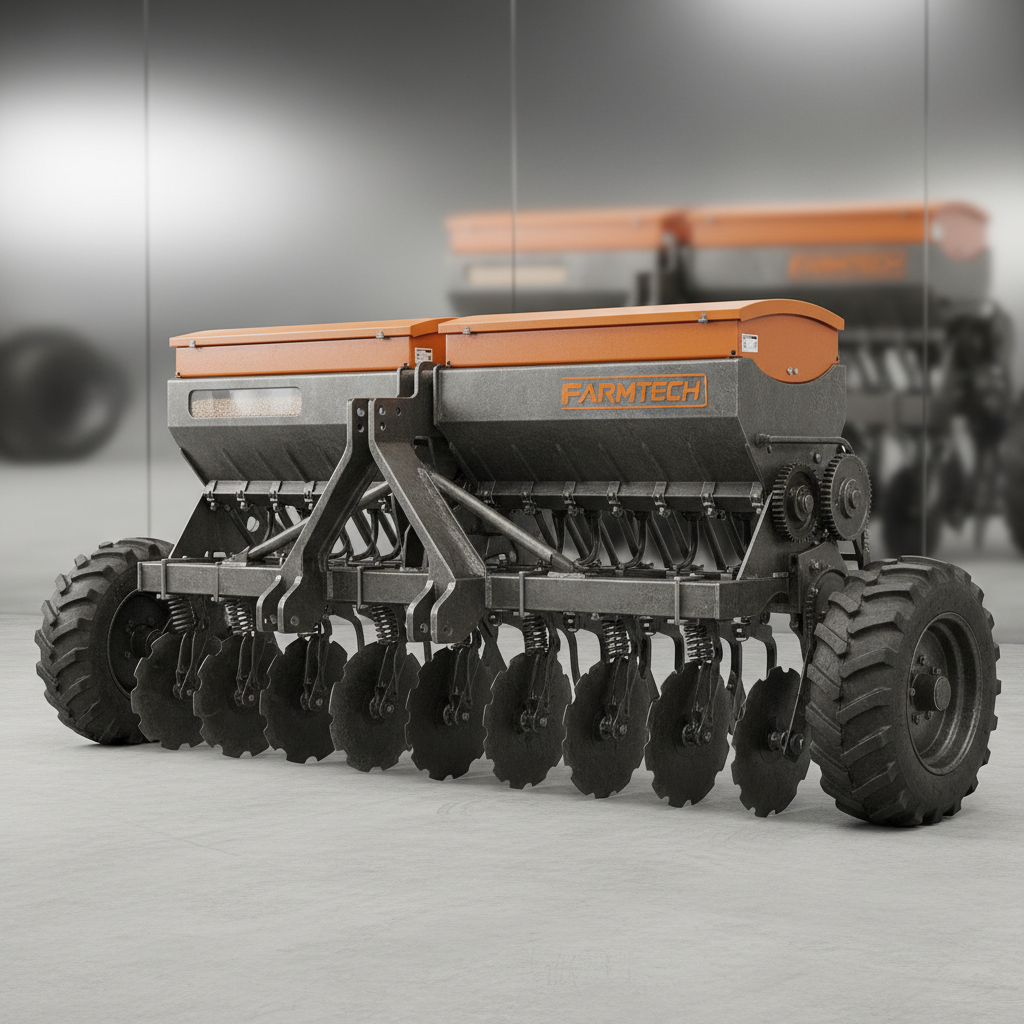
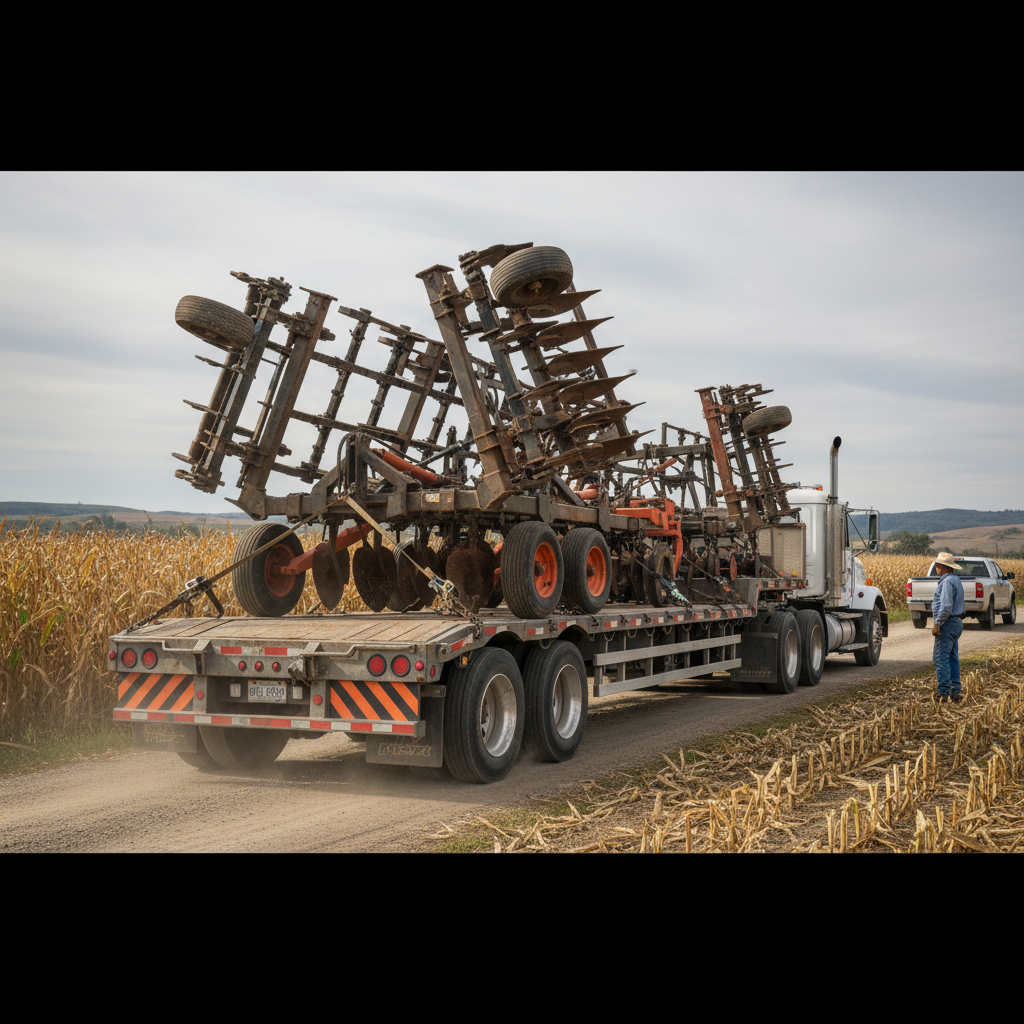
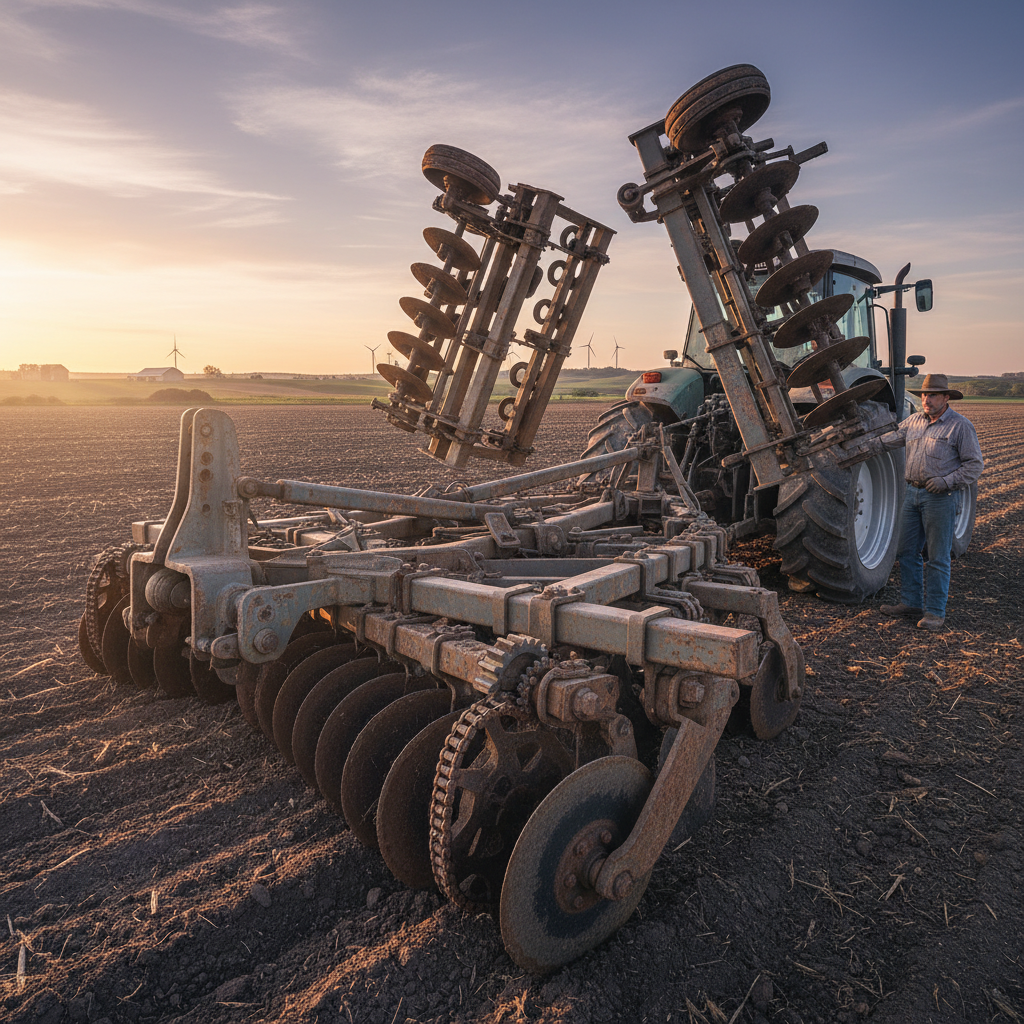
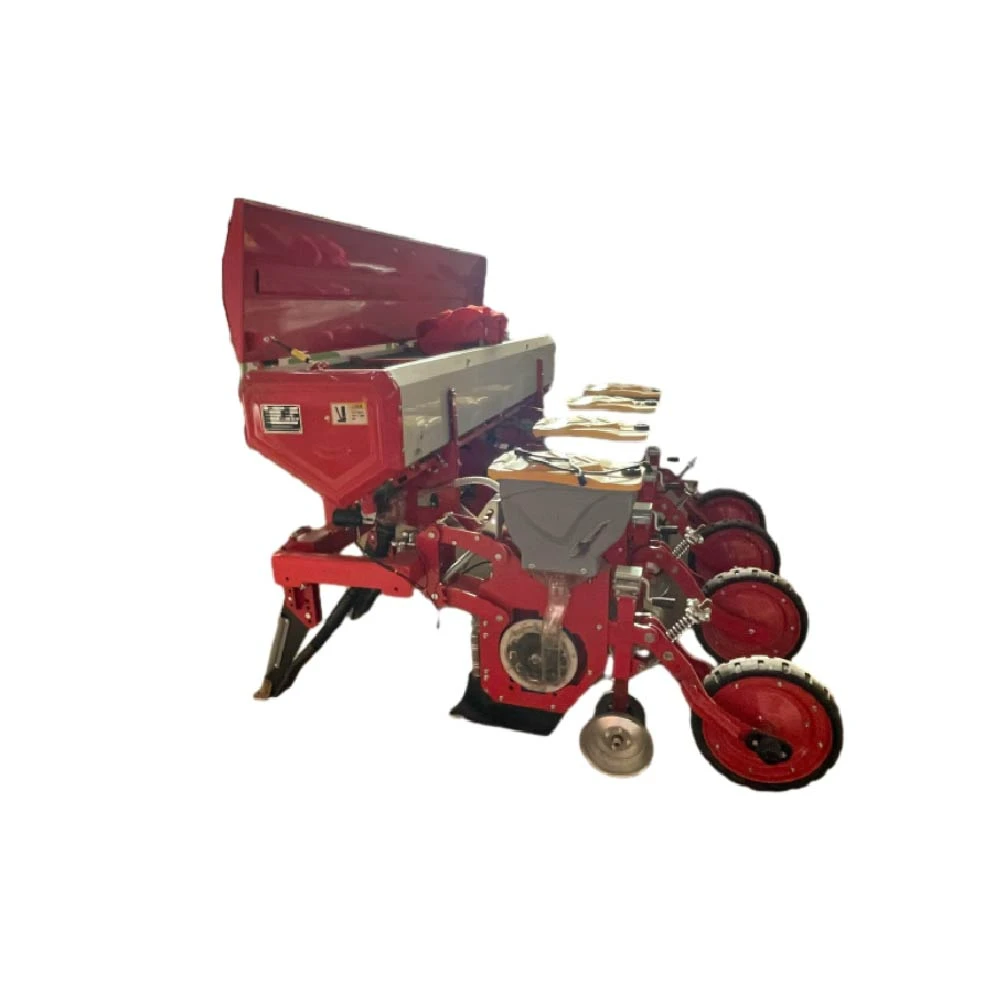
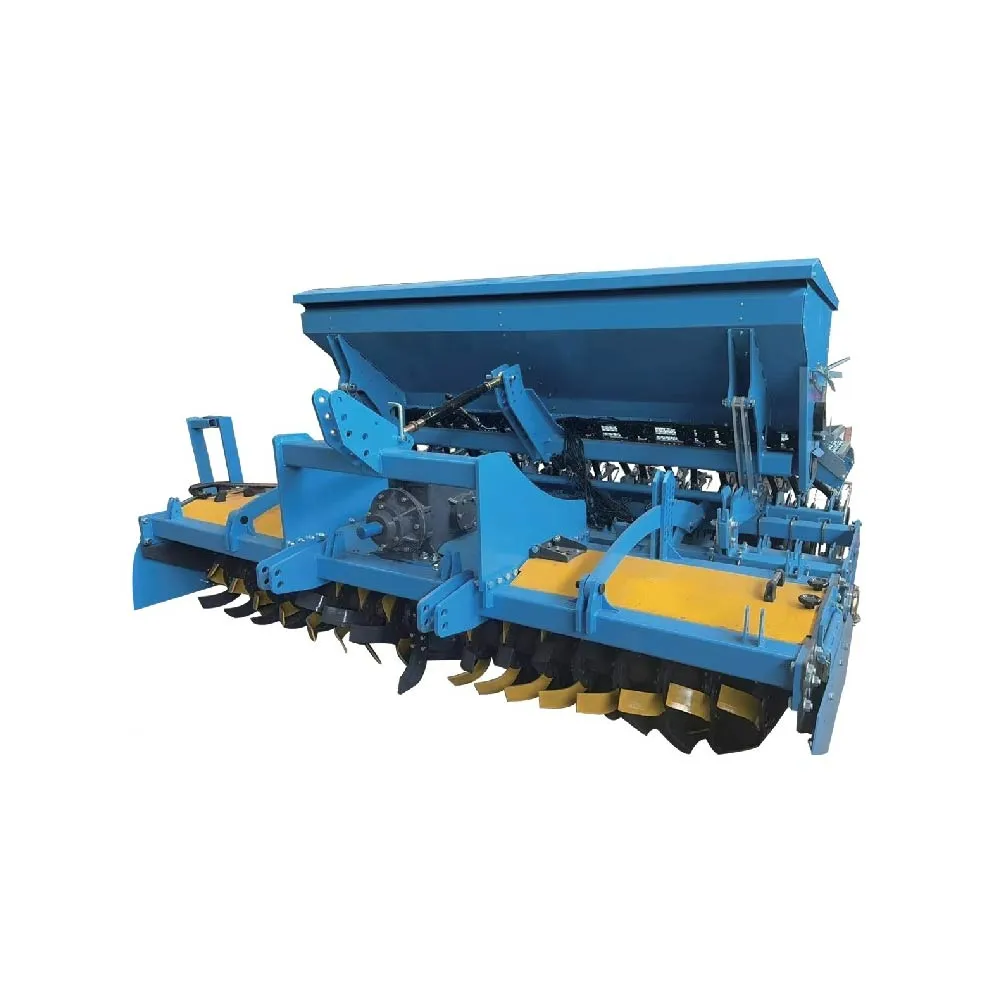
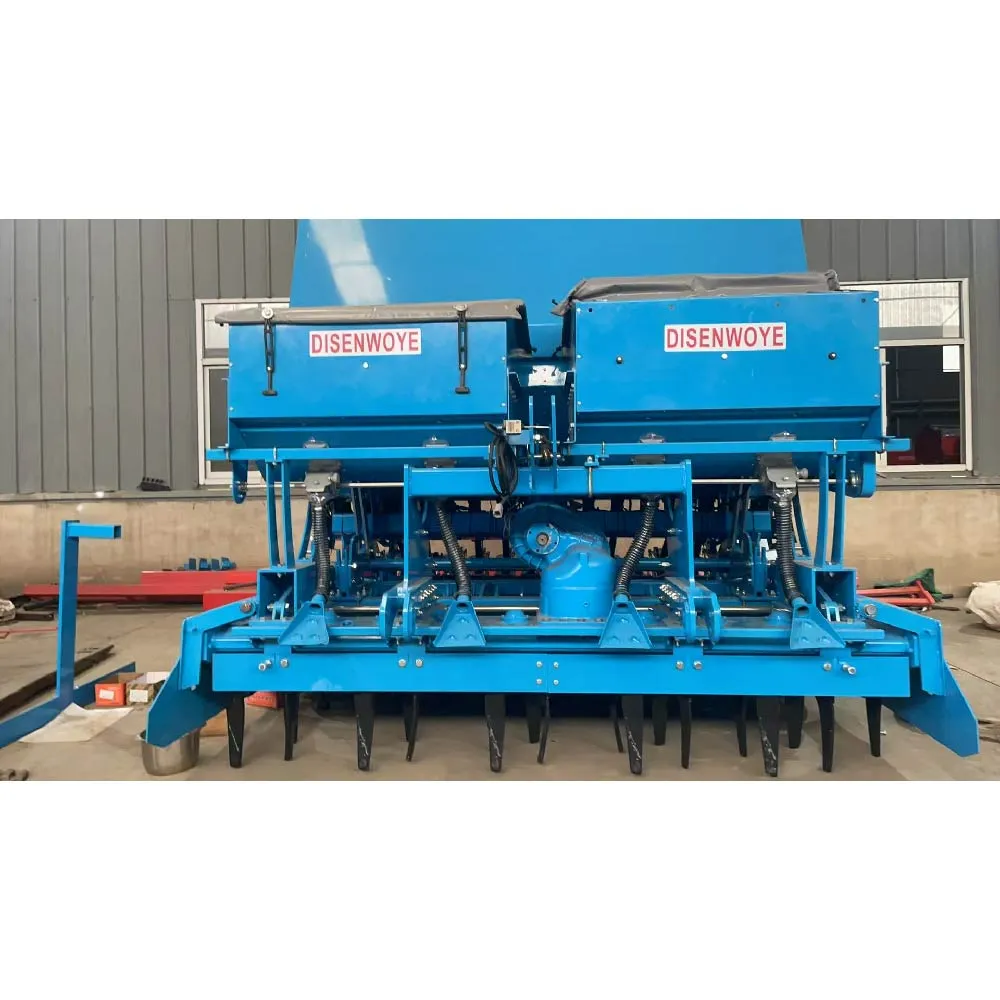
The Combined Seed Drill is an innovative agricultural machine designed to streamline the critical processes of seeding and soil preparation in one efficient, integrated operation. Unlike traditional farming equipment that requires separate passes for tilling, fertilizing, and seeding, this advanced tool combines multiple functions into a single unit, significantly reducing labor, time, and fuel consumption for farmers. Engineered to adapt to a wide range of soil types—from light sandy soils to heavy clay—and compatible with various crop seeds such as wheat, corn, soybeans, and barley, the Combined Seed Drill caters to the diverse needs of both small - scale family farms and large - scale commercial agricultural operations.
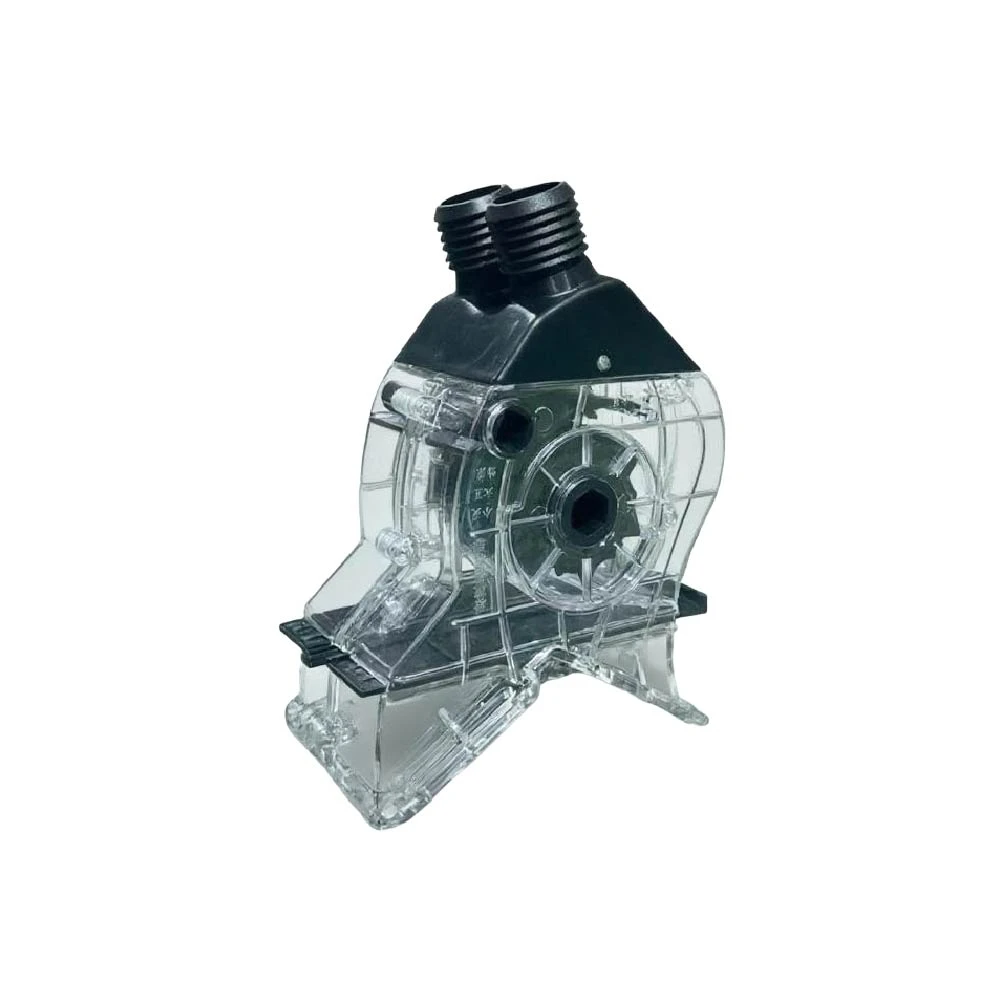
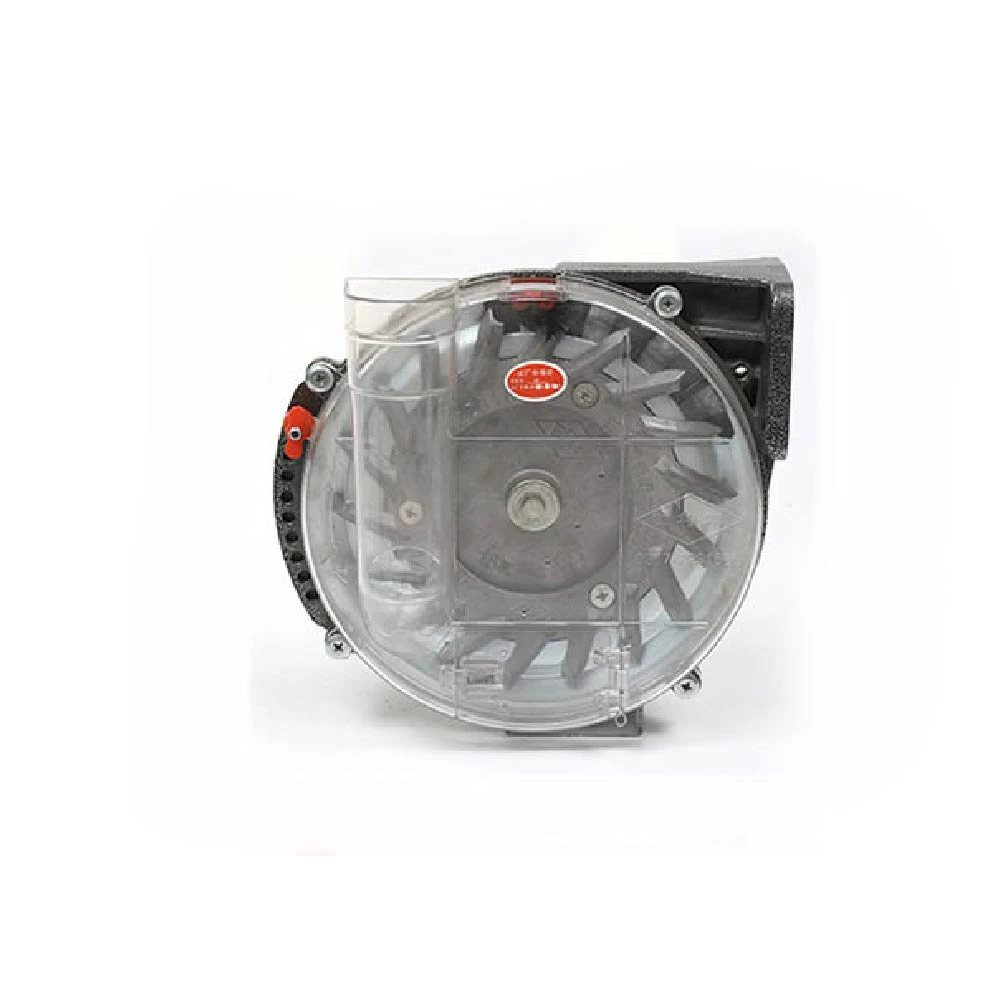
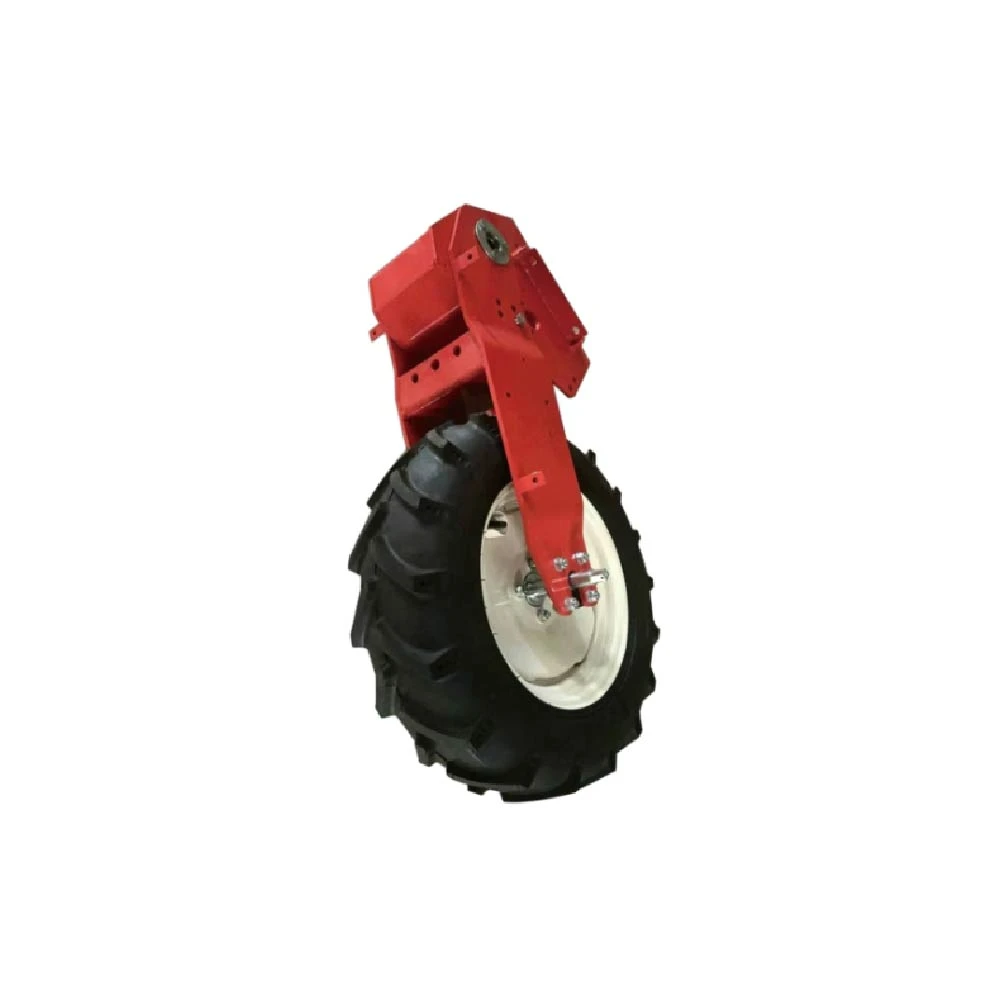
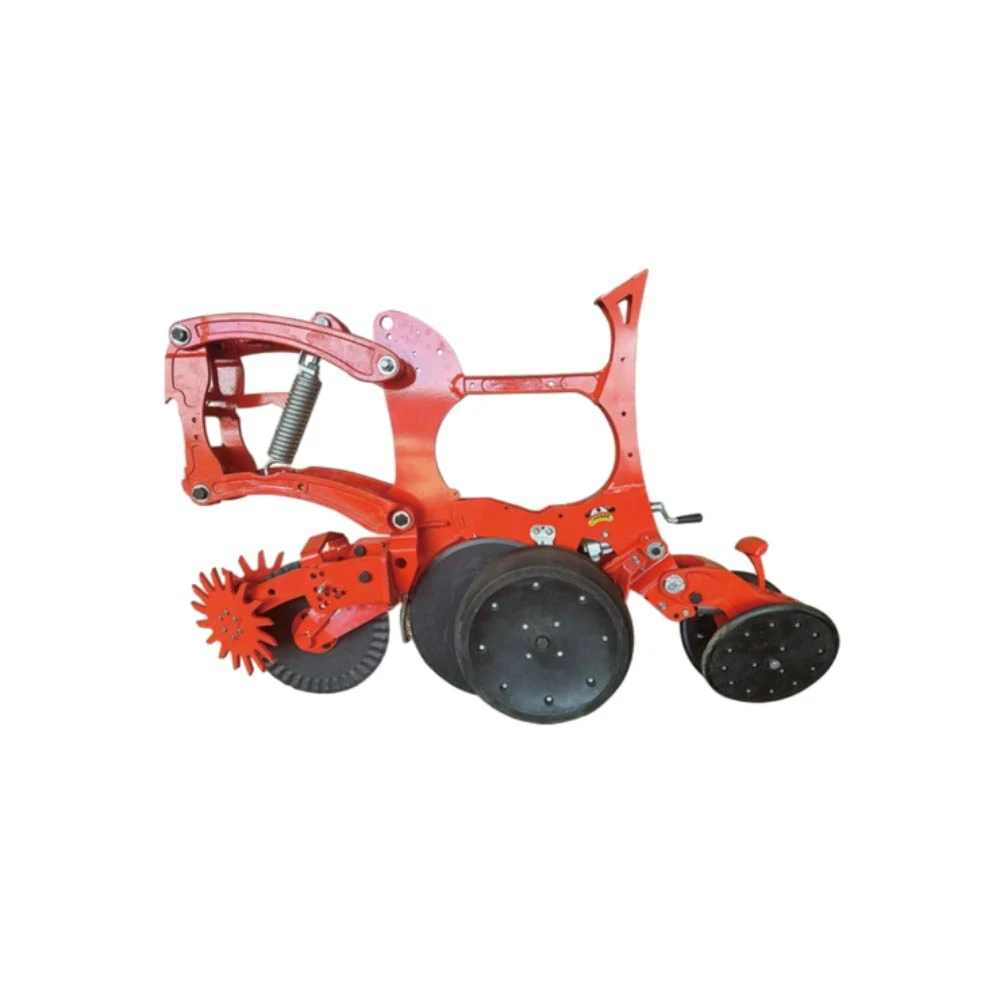
At its core, the machine features a robust frame constructed from high - grade steel, ensuring durability and resistance to the wear and tear of daily farm use. It is equipped with a precision seeding mechanism that allows for adjustable seed spacing and depth, guaranteeing uniform germination and optimal plant growth. Additionally, many models include a built - in fertilizer distribution system, which enables the simultaneous application of nutrients directly into the soil alongside the seeds, enhancing early root development and overall crop yield. The drill’s depth control system, often operated hydraulically or electronically, ensures consistent seed placement even on uneven terrain, eliminating the risk of shallow or deep seeding that can lead to poor crop establishment.
For ease of use, modern Combined Seed Drills are integrated with user - friendly control panels, some of which offer GPS compatibility for precise field mapping and seeding path tracking. This not only improves accuracy but also helps farmers avoid over - seeding or missing areas, reducing seed waste and maximizing resource efficiency. The machine can be easily attached to most standard tractors, making it a versatile addition to existing farm equipment fleets. Whether used in spring planting or fall cover cropping, the Combined Seed Drill stands as a reliable solution to modernize agricultural practices and boost productivity.
Product Short Slogan
“One Pass, Perfect Plants: The Combined Seed Drill – Save Time, Boost Yields, Simplify Farming”
This short slogan encapsulates the key benefits of the Combined Seed Drill in a concise and memorable way. “One Pass” highlights the machine’s ability to combine multiple operations, saving farmers time and effort. “Perfect Plants” emphasizes the precision seeding and optimal growing conditions it provides, leading to healthier crops. The latter part of the slogan directly addresses the practical advantages that matter most to farmers: time savings, increased yields, and simplified farming processes, making it highly appealing to the target audience.
Product Advantages
1.Enhanced Efficiency and Time Savings
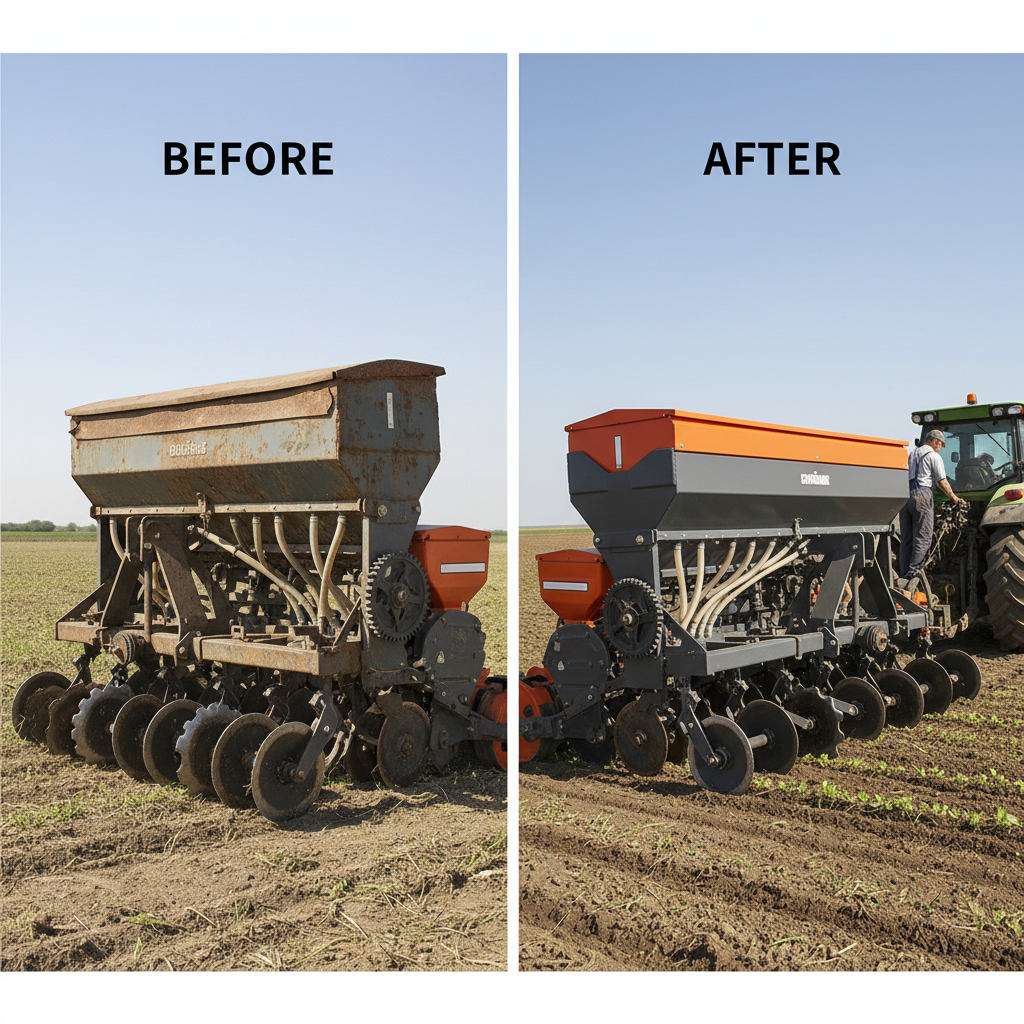
The most significant advantage of the Combined Seed Drill is its ability to perform multiple tasks—such as tilling, seeding, and fertilizing—in a single pass across the field. Traditional methods often require farmers to make two or three separate trips with different machines, which is not only time - consuming but also increases the risk of soil compaction due to repeated tractor passes. With the Combined Seed Drill, farmers can cover more acres in less time, allowing them to complete planting operations within the optimal window of weather conditions. This is particularly crucial during busy planting seasons when delays can result in reduced crop yields. For example, a farmer with a 50 - acre field might take two days to plant using traditional equipment, but with a Combined Seed Drill, the same task can be completed in just one day, freeing up time for other important farm activities.
2.Improved Crop Yields and Uniformity
Precision is a hallmark of the Combined Seed Drill, and this translates directly to better crop yields. The machine’s adjustable seed spacing and depth control ensure that each seed is planted at the ideal distance from its neighbors and at the correct depth in the soil. This uniformity promotes even germination, as all seeds receive the same amount of sunlight, water, and nutrients. In contrast, manual seeding or traditional drills with less precise controls can lead to overcrowding in some areas and sparse growth in others, resulting in lower overall yields. Additionally, the integrated fertilizer distribution system delivers nutrients directly to the seed zone, providing young plants with immediate access to the resources they need for early growth. Studies have shown that fields planted with a Combined Seed Drill can see a 10 - 15% increase in crop yields compared to those planted with traditional methods, making it a valuable investment for farmers looking to maximize their profits.
3.Reduced Operational Costs
While the initial investment in a Combined Seed Drill may be higher than that of a basic seeder, the long - term cost savings are substantial. By combining multiple operations into one, the machine reduces fuel consumption, as farmers no longer need to operate multiple tractors or machines for separate tasks. Fuel costs are a major expense for farmers, and the ability to cut these costs by 30 - 40% can have a significant impact on the bottom line. Additionally, the reduced number of tractor passes minimizes wear and tear on both the tractor and the drill itself, lowering maintenance and repair costs over time. The precision seeding also reduces seed waste, as farmers use only the amount of seed needed for optimal coverage, rather than over - seeding to compensate for uneven distribution. Furthermore, the time saved by using the Combined Seed Drill means that farmers may not need to hire additional labor during planting season, further reducing operational expenses.
4.Soil Health Preservation
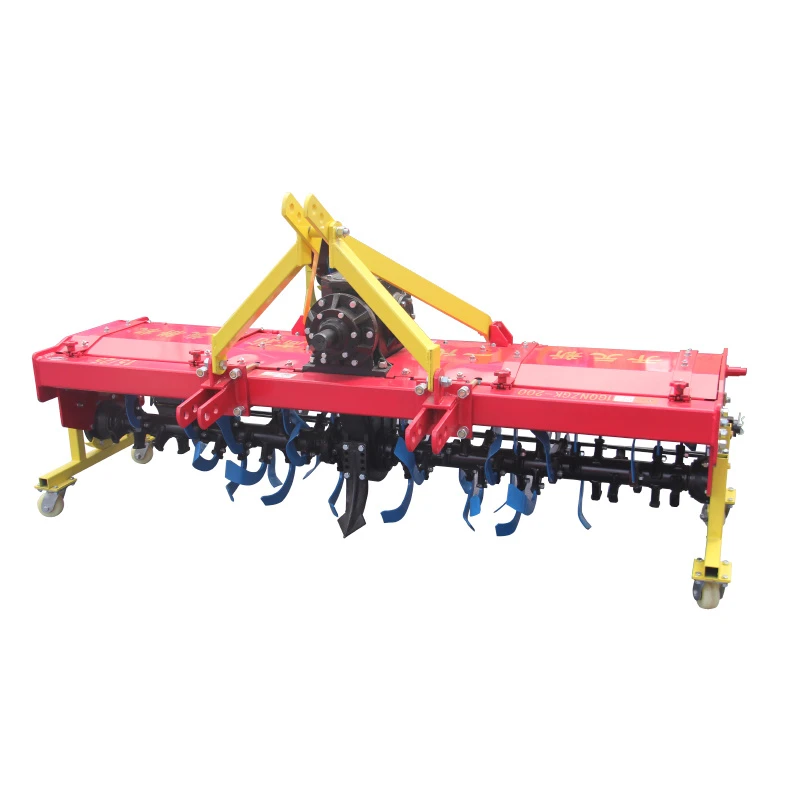
Soil compaction is a major concern in modern agriculture, as it can reduce soil porosity, limit root growth, and decrease water infiltration. Traditional farming methods that involve multiple tractor passes contribute significantly to soil compaction, especially in wet conditions. The Combined Seed Drill addresses this issue by minimizing the number of passes over the field, reducing the pressure on the soil and preserving its structure. Many models also feature specialized tines or discs that loosen the soil without causing excessive disturbance, promoting healthy soil biology and nutrient cycling. By preserving soil health, the Combined Seed Drill helps to maintain long - term soil fertility, ensuring that fields remain productive for years to come. This is particularly important for sustainable farming practices, as healthy soil is the foundation of successful crop production.
5.Versatility and Adaptability
The Combined Seed Drill is designed to be highly versatile, making it suitable for a wide range of farming applications and crop types. It can be easily adjusted to handle different seed sizes, from small grass seeds to large corn kernels, and can be modified to accommodate various row widths depending on the crop being planted. This versatility means that farmers do not need to invest in multiple machines for different crops, saving both money and storage space. Additionally, the machine can be used in different soil conditions, from dry to moderately wet, and can be equipped with optional attachments such as roller harrows or press wheels to further improve soil - seed contact. Whether a farmer is planting a cash crop, a cover crop, or a forage crop, the Combined Seed Drill can be tailored to meet their specific needs, making it a flexible and valuable tool on the farm.
1: How to Choose the Right Combined Seed Drill for Your Farm
Selecting the appropriate Combined Seed Drill is a critical decision that can impact the efficiency and productivity of your farming operations. Several factors need to be considered to ensure that the machine meets your specific needs.
First, field size and terrain play a key role. For small - scale farms with narrow fields or uneven terrain, a compact Combined Seed Drill with a narrower working width (typically 2 - 3 meters) may be more suitable, as it is easier to maneuver in tight spaces. On the other hand, large - scale commercial farms with vast, flat fields can benefit from a wider drill (4 - 6 meters or more), which can cover more area in less time. It is also important to consider the type of terrain—if your fields have steep slopes, a drill with a stable frame and good weight distribution is essential to ensure safe and even seeding.
Second, crop type and seed characteristics must be taken into account. Different crops require different seed spacing, depth, and planting densities. For example, wheat seeds are smaller and require shallower planting depths (1 - 2 inches) than corn seeds, which are larger and need to be planted deeper (2 - 4 inches). The Combined Seed Drill should have adjustable settings to accommodate these differences. Additionally, if you plan to plant a variety of crops, look for a drill that offers easy and quick adjustments to switch between different seed types.
Third, tractor compatibility is another important factor. The Combined Seed Drill is typically pulled by a tractor, so it is essential to ensure that your tractor has the necessary horsepower to handle the drill. Most drills specify a minimum horsepower requirement, which depends on the working width and the type of soil it will be used in. For example, a 4 - meter drill may require a tractor with 80 - 100 horsepower, while a 6 - meter drill may need 120 - 150 horsepower. You should also check the hitch type of the drill to ensure it matches the hitch on your tractor.
Fourth, additional features and attachments can enhance the functionality of the Combined Seed Drill. Consider whether you need a built - in fertilizer system, GPS compatibility, or a depth control system that can be operated electronically. Optional attachments such as roller harrows can help to smooth the soil surface after seeding, improving soil - seed contact, while press wheels can ensure that the soil is firmly pressed around the seeds, promoting germination. Evaluate which features are essential for your farming practices and which ones are optional, based on your budget and specific needs.
Finally, budget and after - sales support should not be overlooked. While it is important to invest in a high - quality machine that meets your needs, you should also consider your budget constraints. Compare the prices and features of different models from reputable manufacturers to find the best value for your money. Additionally, look for a manufacturer that offers good after - sales support, including warranty coverage, maintenance services, and access to spare parts. This will ensure that your Combined Seed Drill remains in good working condition and that any issues are resolved quickly, minimizing downtime during critical planting seasons.
2: The Role of Combined Seed Drill in Promoting Sustainable Agriculture Practices
In an era where sustainable agriculture is becoming increasingly important to address issues such as climate change, soil degradation, and food security, the Combined Seed Drill plays a vital role in promoting environmentally friendly farming practices.
One of the key ways in which the Combined Seed Drill contributes to sustainability is by reducing soil erosion. Traditional tillage methods, which involve turning over large amounts of soil, can leave the soil surface exposed to wind and water erosion. The Combined Seed Drill, however, uses minimal tillage or no - tillage techniques in many cases, which leave the previous crop’s residue on the soil surface. This residue acts as a protective cover, reducing the impact of raindrops on the soil and slowing down the flow of water across the field, thereby minimizing erosion. Studies have shown that no - tillage systems using a Combined Seed Drill can reduce soil erosion by up to 90% compared to conventional tillage methods, helping to preserve topsoil and maintain soil fertility.
Another important contribution of the Combined Seed Drill to sustainable agriculture is carbon sequestration. When the soil is not tilled excessively, organic matter is able to accumulate in the soil, as the decomposition of crop residues is slower. This organic matter stores carbon, helping to reduce the amount of carbon dioxide in the atmosphere and mitigate climate change. Additionally, the reduced number of tractor passes with the Combined Seed Drill lowers fuel consumption, which in turn reduces greenhouse gas emissions. A single farmer using a Combined Seed Drill can reduce their carbon footprint by several tons per year, making a significant contribution to global efforts to combat climate change.
The precision seeding and fertilizing capabilities of the Combined Seed Drill also promote sustainability by reducing the use of chemical inputs. By placing seeds and fertilizers precisely in the soil, the machine ensures that plants receive only the nutrients they need, minimizing the amount of fertilizer that is lost to the environment through leaching or runoff. This not only reduces the cost of fertilizers for farmers but also helps to protect water quality and prevent the eutrophication of lakes and rivers. Additionally, the uniform growth of crops promoted by the Combined Seed Drill makes it easier to manage pests and diseases, reducing the need for pesticides.
Furthermore, the Combined Seed Drill supports crop rotation and cover cropping, which are important sustainable farming practices. Crop rotation helps to break pest and disease cycles, improve soil fertility, and reduce soil erosion, while cover cropping protects the soil during fallow periods, adds organic matter to the soil, and suppresses weeds. The versatility of the Combined Seed Drill allows farmers to easily switch between different crops and cover crops, making it easier to implement these practices on their farms. For example, after harvesting a cash crop such as wheat, a farmer can use the Combined Seed Drill to plant a cover crop such as rye, which will protect the soil during the winter months and improve soil health for the next growing season.
In conclusion, the Combined Seed Drill is not just a tool for improving agricultural productivity; it is also a key enabler of sustainable agriculture. By reducing soil erosion, promoting carbon sequestration, minimizing chemical inputs, and supporting sustainable farming practices such as crop rotation and cover cropping, the machine helps farmers to produce food in a way that is environmentally responsible, economically viable, and socially beneficial. As the global demand for food continues to grow, the adoption of tools like the Combined Seed Drill will be essential to ensuring that agriculture can meet this demand without compromising the health of the planet.
combination seed drill
combination seed drill for sale
combination seed drills
combination seed drills for sale
tractor seeder attachment