
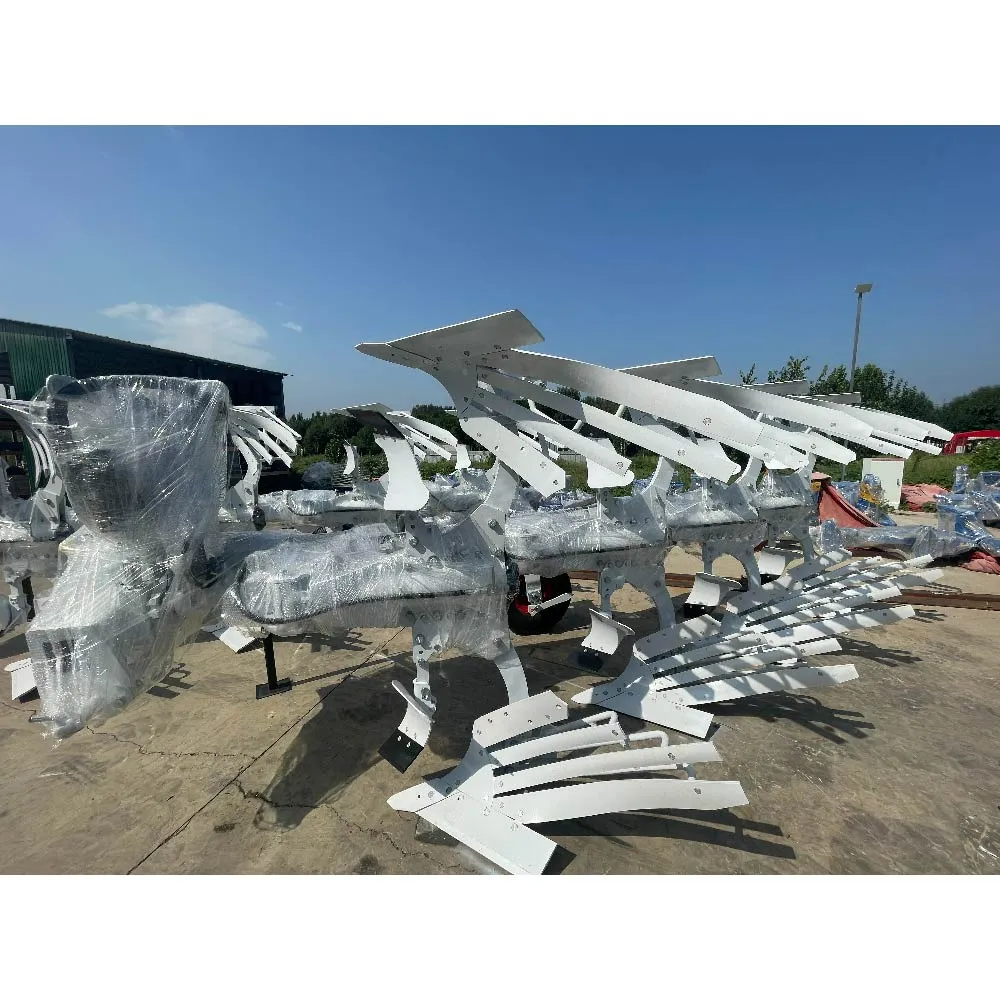
Product Description
Ploughs are indispensable agricultural implements designed to prepare soil for planting by turning, loosening, and aerating it, creating an optimal environment for seed germination and root growth. Available in a diverse range of types to suit various farming needs, soil conditions, and power sources, modern ploughs combine durability, functionality, and innovation to meet the demands of both small - scale family farms and large - scale commercial agricultural operations.
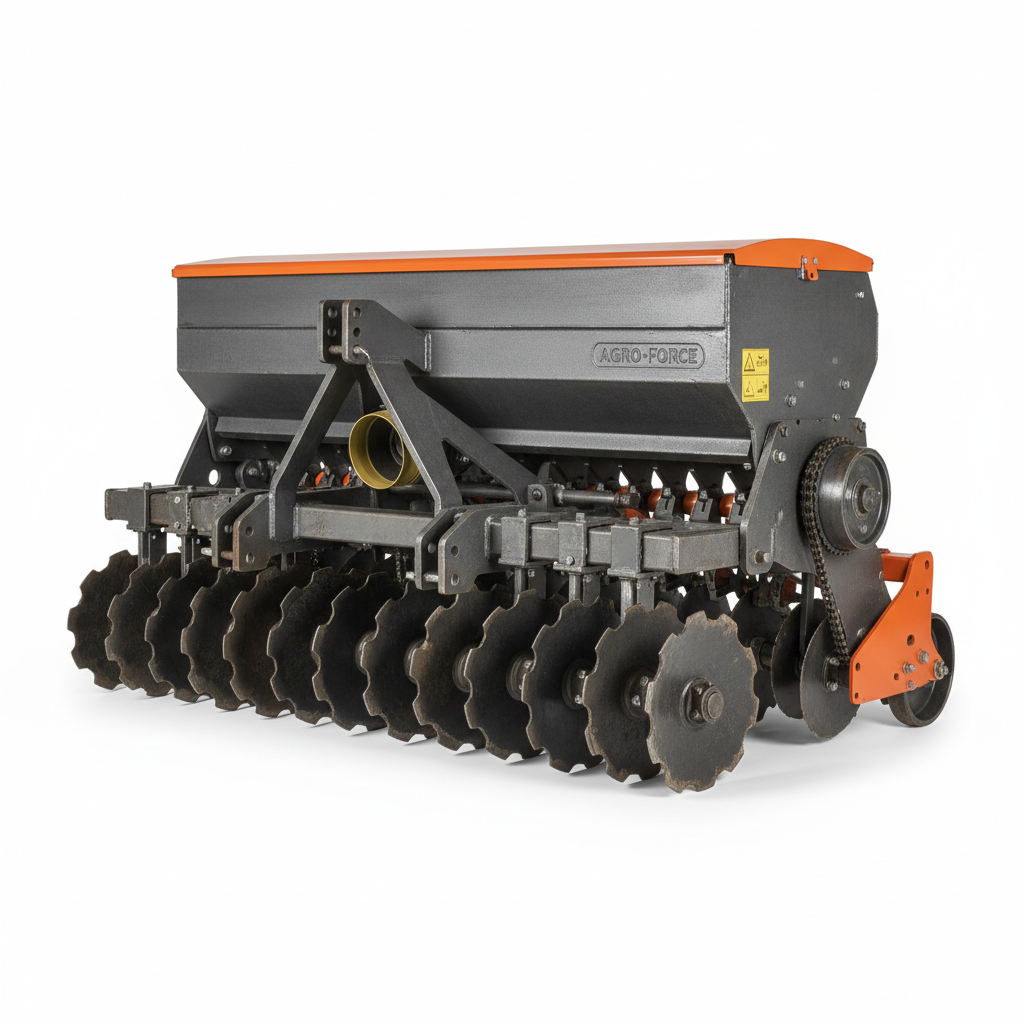
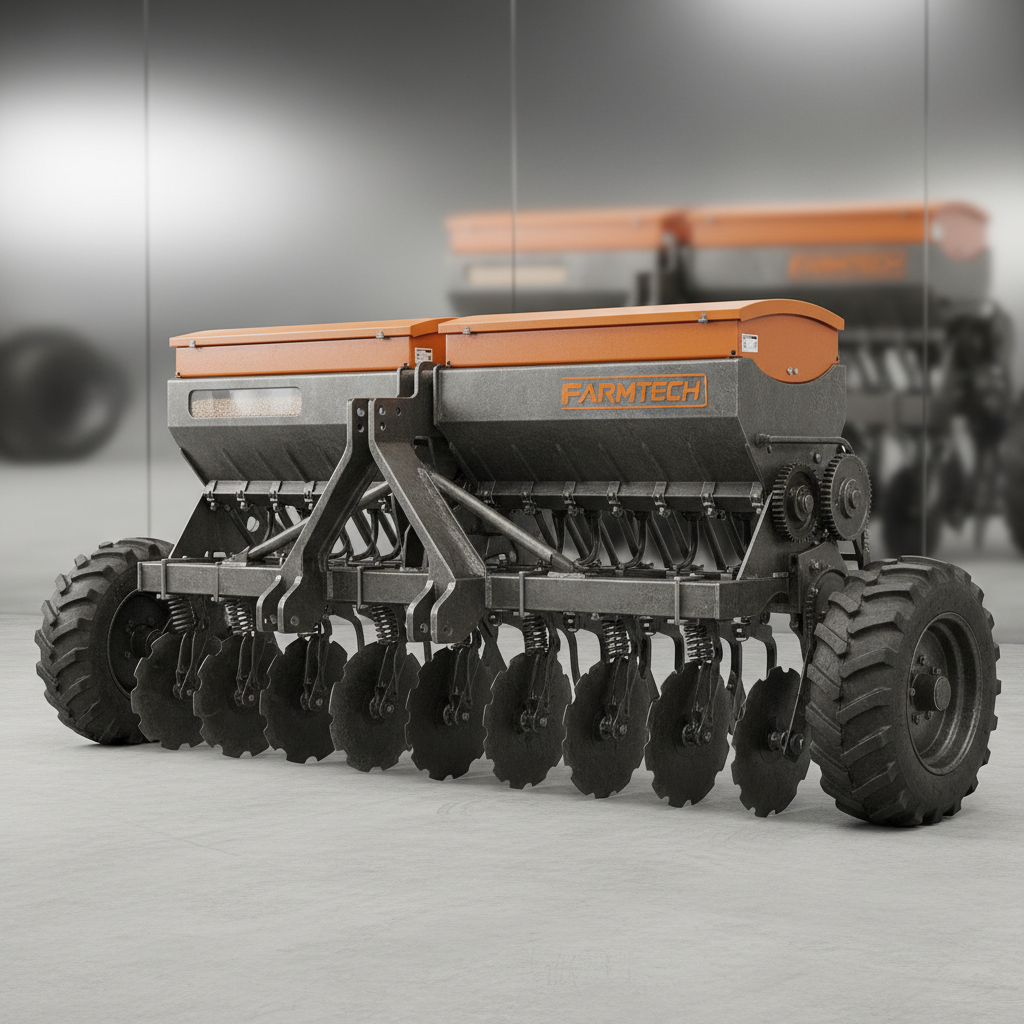
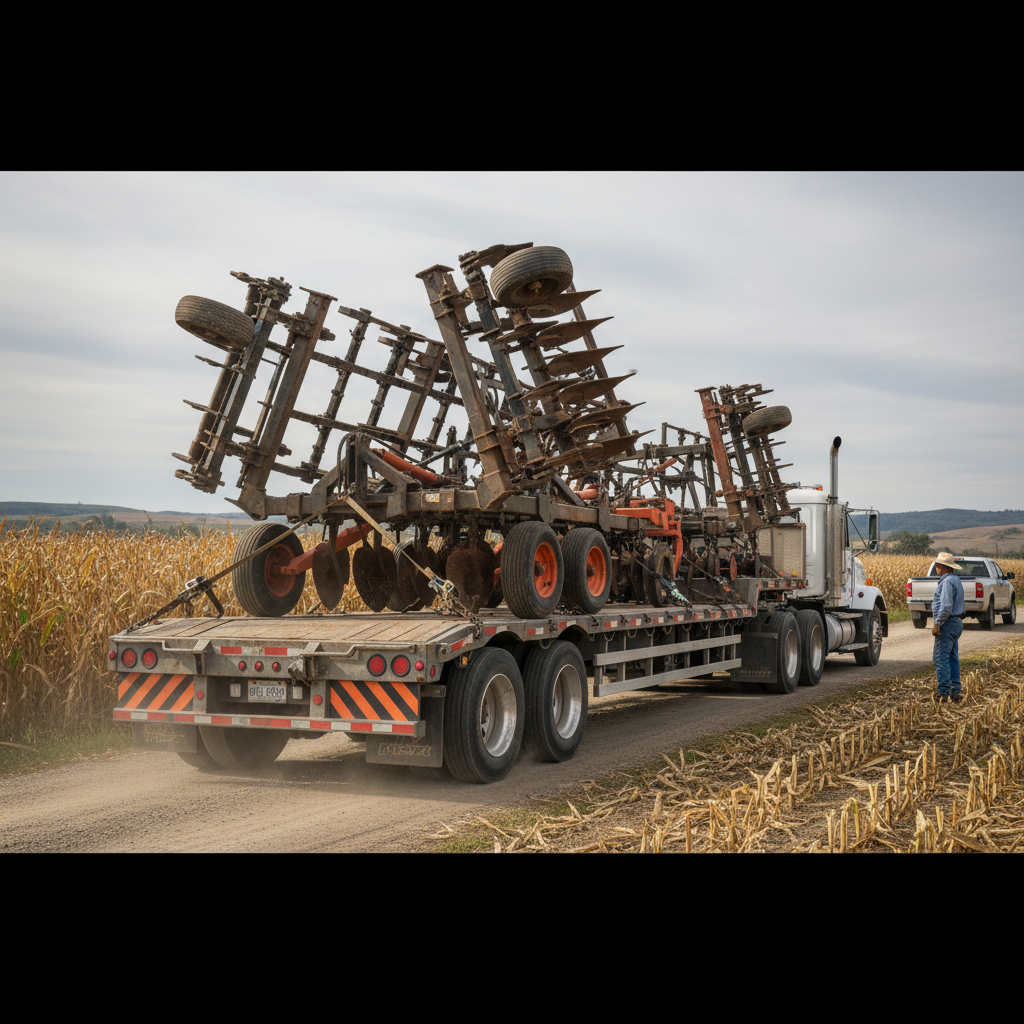
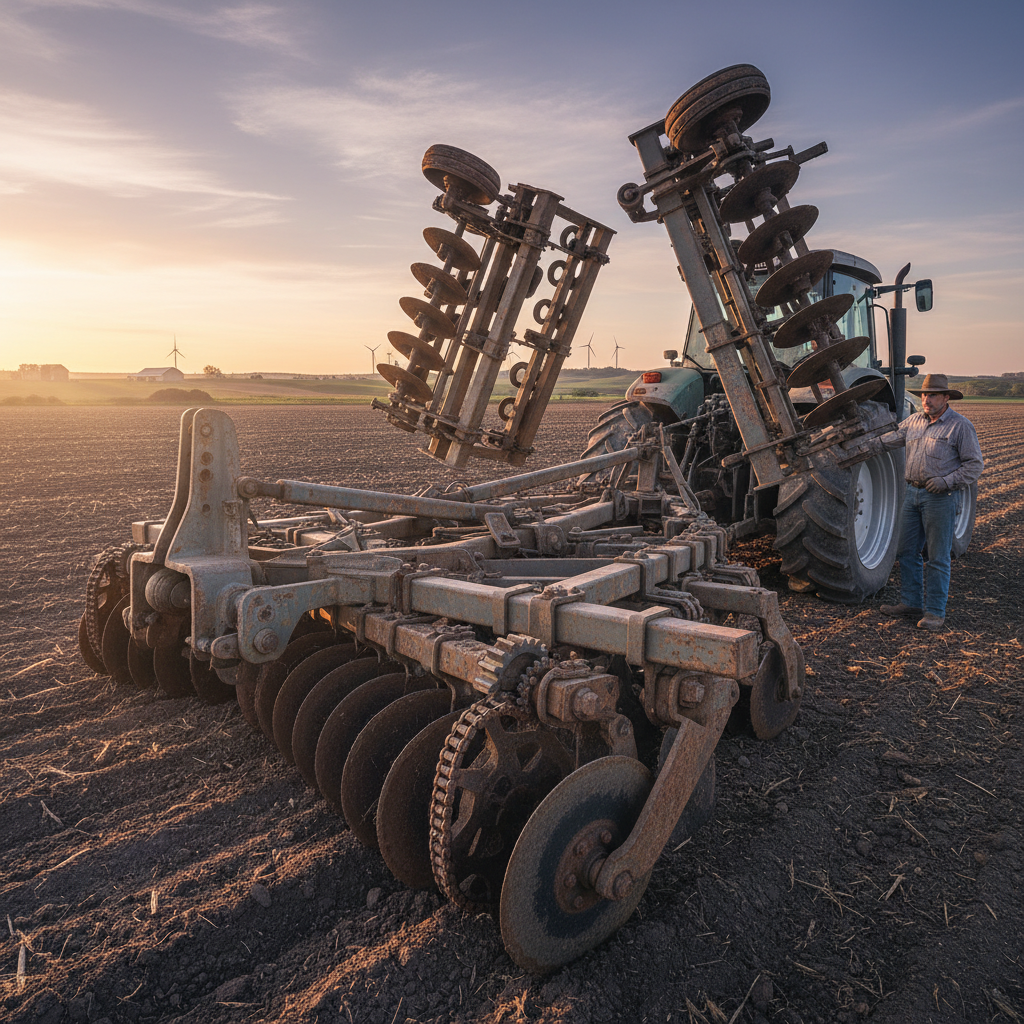
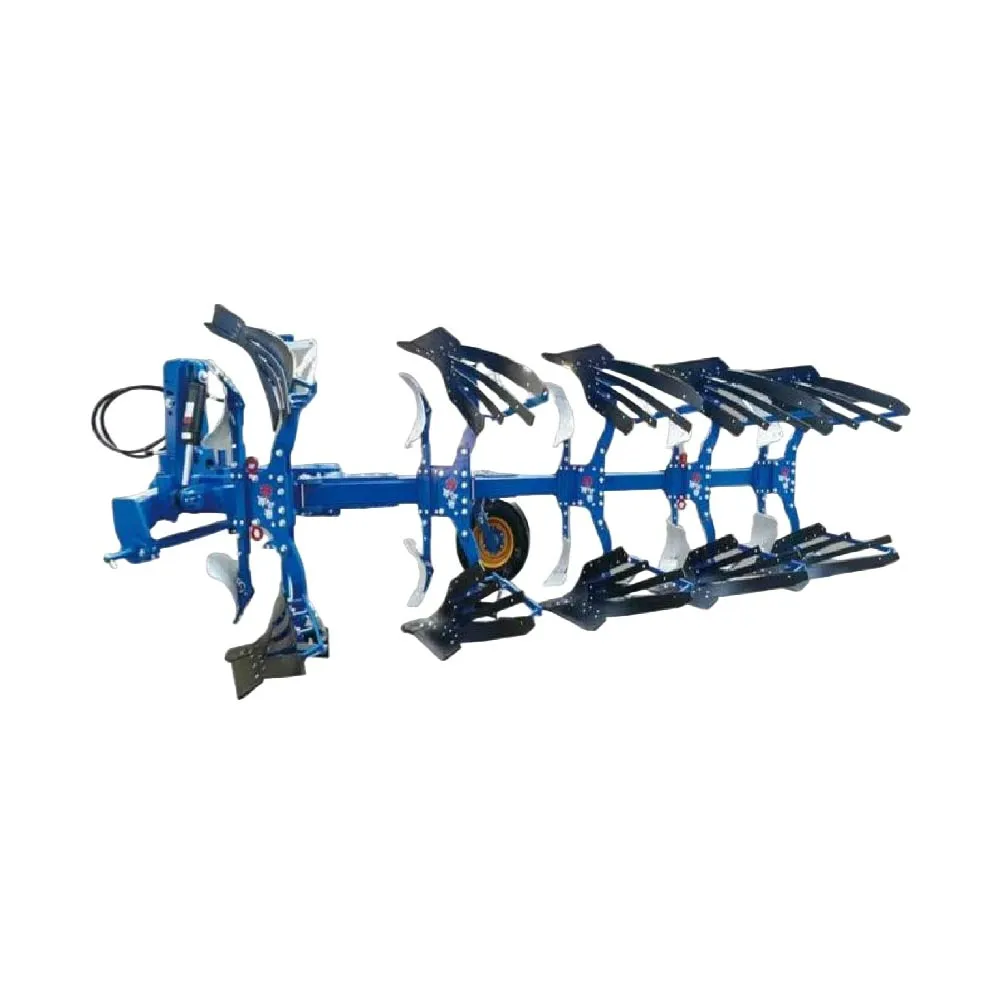
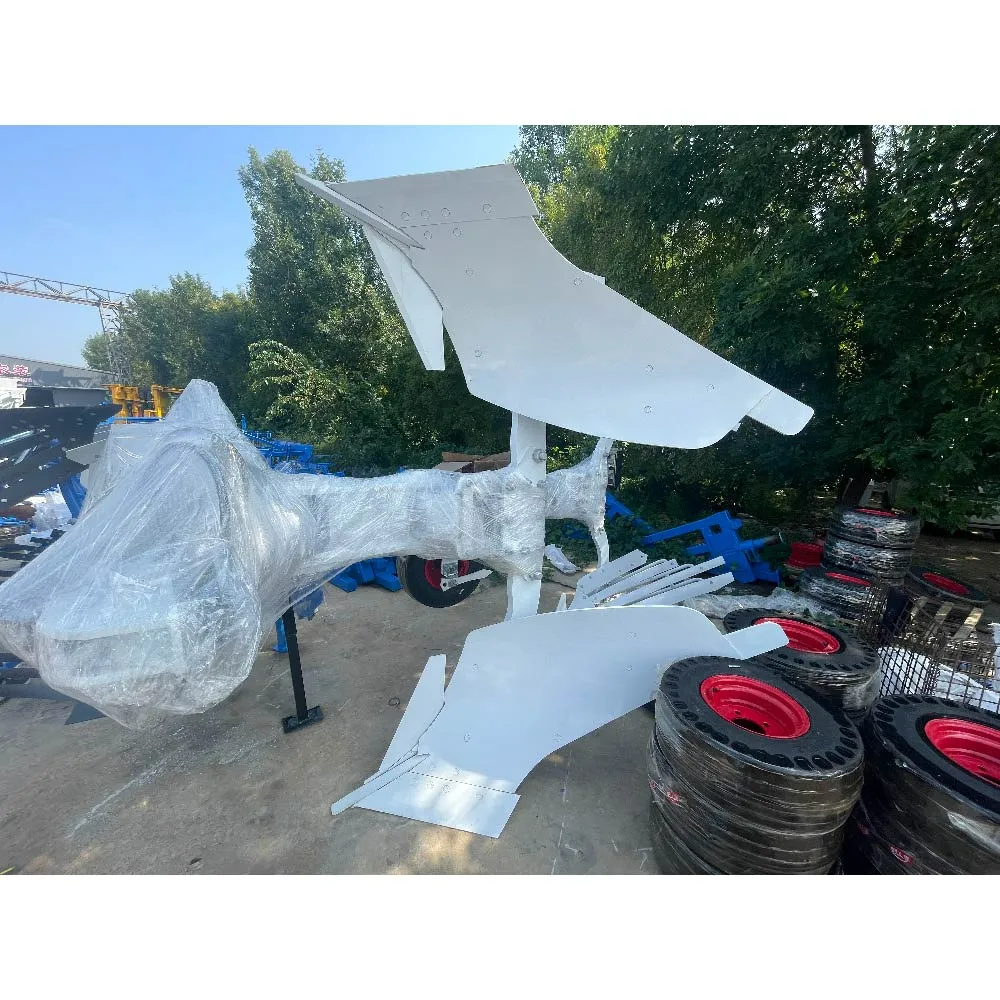
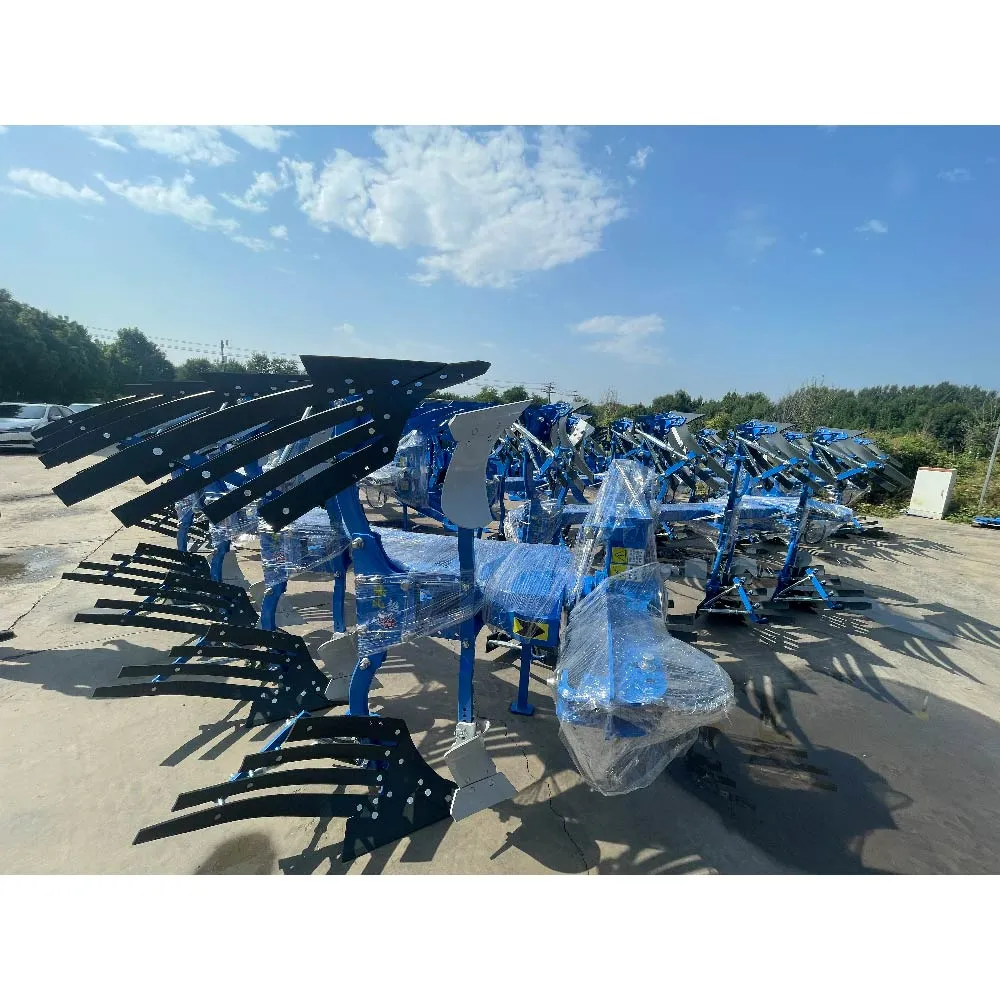
One of the most common types is the moldboard plough, which features a curved steel moldboard that effectively turns over the soil, burying crop residues, weeds, and pests while exposing fresh, nutrient - rich soil to the surface. This type is ideal for heavy clay soils and areas where thorough soil inversion is required. For lighter soils or conservation - focused farming practices, the disc plough is a popular choice. It consists of a series of sharp, circular discs that cut through the soil with minimal soil disturbance, reducing erosion and preserving soil structure.
In addition to these traditional types, there are specialized ploughs such as the chisel plough, which is used for deep tillage without inverting the soil, making it perfect for breaking up compacted layers and improving water infiltration. Many modern ploughs are also compatible with tractors of different horsepower, equipped with adjustable hitch systems that allow for easy attachment and precise depth control. Constructed from high - quality materials like hardened steel, reinforced cast iron, and corrosion - resistant coatings, these ploughs are built to withstand the rigors of daily use in harsh agricultural environments, ensuring long - term performance and reliability.
Whether used for preparing a new field for the first time, rejuvenating an existing plot after a harvest, or incorporating organic matter into the soil, ploughs play a crucial role in maximizing crop yields and maintaining soil health. They are not just tools but partners in sustainable farming, helping farmers achieve efficient land management and meet the growing global demand for food.
Product Short Description
Ploughs are durable, versatile agricultural tools engineered to prepare soil for planting through turning, loosening, and aerating. Available in moldboard, disc, and chisel types (compatible with tractors), they boost crop yields, preserve soil health, and suit small - to large - scale farms—ideal for efficient, sustainable farming.
Product Advantages
1.Enhanced Soil Preparation: Ploughs excel at creating a well - tilled seedbed by breaking up compacted soil, removing weeds, and incorporating crop residues or organic matter. This process improves soil aeration and water retention, ensuring seeds have access to the nutrients and moisture needed for strong germination and early growth. Unlike manual tillage methods, ploughs cover large areas quickly, reducing the time and labor required to prepare fields for planting.
2.Versatility Across Conditions: With multiple types (moldboard, disc, chisel) and adjustable features, ploughs adapt to diverse soil types (clay, loam, sandy) and farming goals. Moldboard ploughs handle heavy, dense soils by fully inverting them, while disc ploughs are gentle on lighter soils to prevent erosion. Chisel ploughs are perfect for deep tillage without disrupting the soil profile, making them suitable for conservation tillage practices. Additionally, their compatibility with tractors of varying horsepower means they can be used on small family farms or large commercial operations, eliminating the need for multiple specialized tools.
3.Durability and Longevity: Crafted from high - grade materials like hardened steel (for cutting edges) and reinforced cast iron (for structural components), ploughs are built to resist wear, impact, and corrosion. The use of corrosion - resistant coatings further extends their lifespan, even when exposed to moisture, chemicals, and harsh weather conditions. This durability translates to a lower total cost of ownership, as farmers do not need to replace ploughs frequently, and minimal maintenance (such as sharpening blades or lubricating moving parts) keeps them in optimal working condition for years.
4.Boosted Crop Yields: By creating an optimal growing environment, ploughs directly contribute to higher crop yields. Well - tilled soil allows plant roots to penetrate deeper, accessing more nutrients and water, which leads to stronger, healthier plants that are more resistant to pests and diseases. Additionally, burying weeds and crop residues reduces competition for resources and minimizes the risk of pest infestations, further protecting crop health. Over time, consistent use of ploughs can also improve soil fertility by cycling organic matter back into the soil, creating a sustainable cycle that supports long - term agricultural productivity.
5.Support for Sustainable Farming: Modern ploughs are designed to align with sustainable farming practices. For example, disc and chisel ploughs reduce soil disturbance, which helps prevent erosion and preserve the soil’s natural structure and microbial life. By incorporating organic matter into the soil, ploughs also promote carbon sequestration, reducing the farm’s environmental footprint. For farmers looking to adopt conservation tillage or organic farming methods, ploughs provide a practical tool to maintain soil health while still achieving efficient land preparation.
1.How to Choose the Right Plough for Your Farm: A Comprehensive Guide
Choosing the right plough is critical to ensuring efficient soil preparation and maximizing crop yields, as the wrong type can lead to poor soil health, increased labor costs, or even equipment damage. This guide will walk farmers through key factors to consider, starting with soil type—clay soils require moldboard ploughs for thorough inversion, while sandy soils benefit from disc ploughs to avoid over - tillage. It will also cover farm size and power source: small farms with low - horsepower tractors may opt for compact disc ploughs, while large commercial operations need heavy - duty moldboard or chisel ploughs compatible with high - horsepower tractors. Additionally, the guide will discuss farming goals, such as whether conservation tillage (favoring chisel ploughs) or maximum weed control (favoring moldboard ploughs) is a priority. Real - world examples, such as a family farm in a loam - soil region choosing a medium - sized disc plough, will help farmers apply these factors to their own operations. Finally, it will include tips on testing ploughs (if possible) and consulting with local agricultural experts to ensure the chosen plough meets specific regional soil and climate needs.
2.Maintenance Tips to Extend the Lifespan of Your Plough and Ensure Optimal Performance
Proper maintenance is essential to keeping ploughs functioning efficiently and extending their lifespan, as neglect can lead to dull blades, rusted components, and costly breakdowns during critical planting seasons. This topic will outline a step - by - step maintenance routine, starting with post - use cleaning—removing soil, crop residues, and debris from the plough’s moldboard, discs, or chisel points to prevent corrosion and buildup that can affect performance. It will then cover blade maintenance: sharpening dull cutting edges (using grinders or specialized sharpening tools) to ensure clean soil penetration, and replacing worn blades when they become too thin or damaged. Lubrication is another key area, with guidance on which parts (such as hitch joints, depth adjustment mechanisms, and disc bearings) need regular lubrication and the type of lubricant to use (e.g., lithium - based greases for heavy - duty parts). The topic will also include seasonal maintenance checks, such as inspecting the plough’s frame for cracks or bending, tightening loose bolts and nuts, and applying a fresh coat of corrosion - resistant paint if the original coating is worn. Additionally, it will provide troubleshooting tips for common issues, such as uneven tillage (caused by misaligned discs or incorrect depth settings) and difficulty attaching the plough to the tractor (due to worn hitch components), helping farmers address problems quickly and avoid downtime.
2 bottom moldboard plow for sale
garden tractor moldboard plow for sale
moldboard plow for sale
single moldboard plow for sale