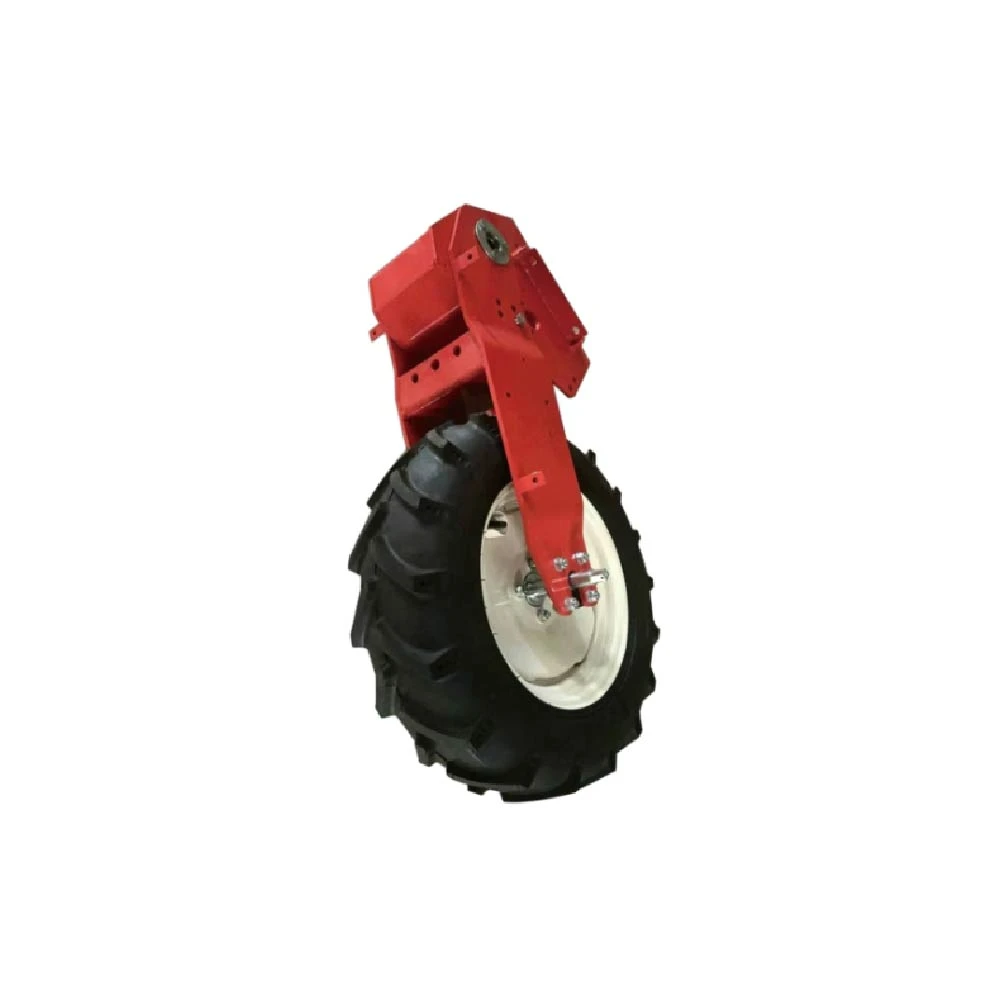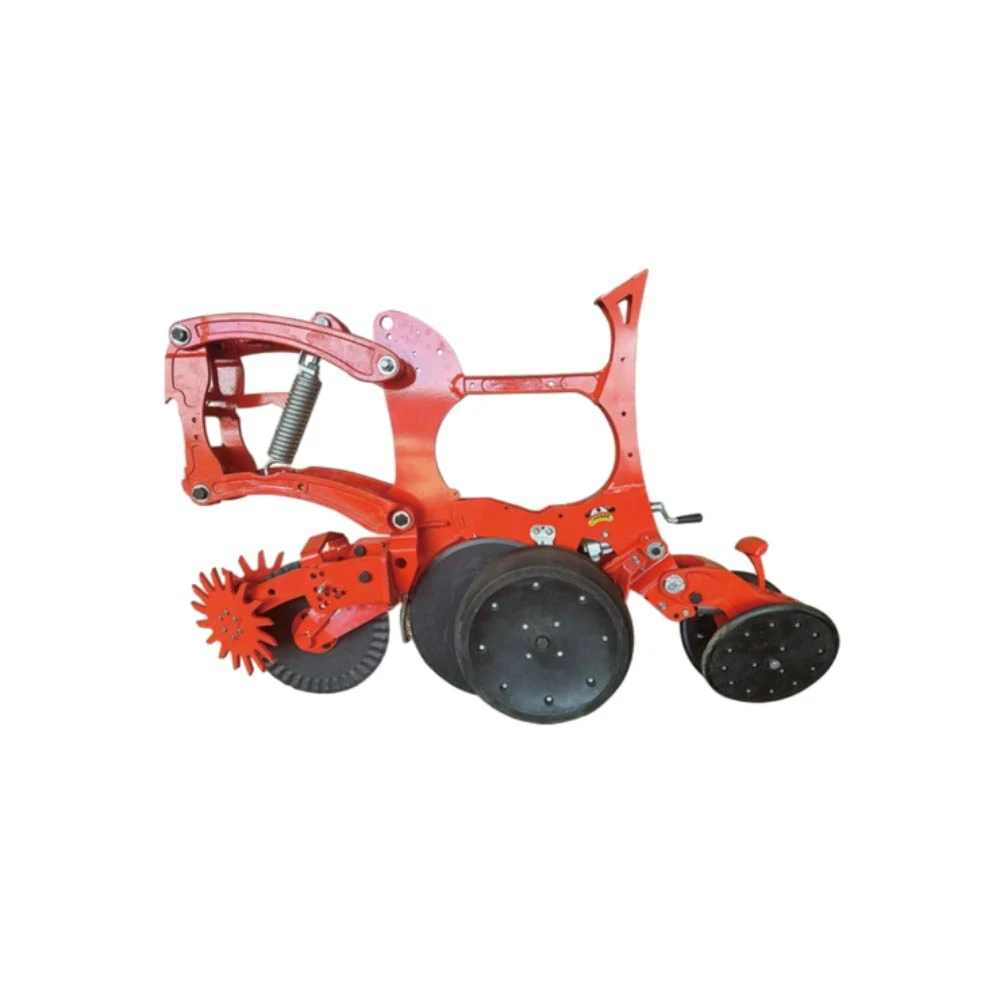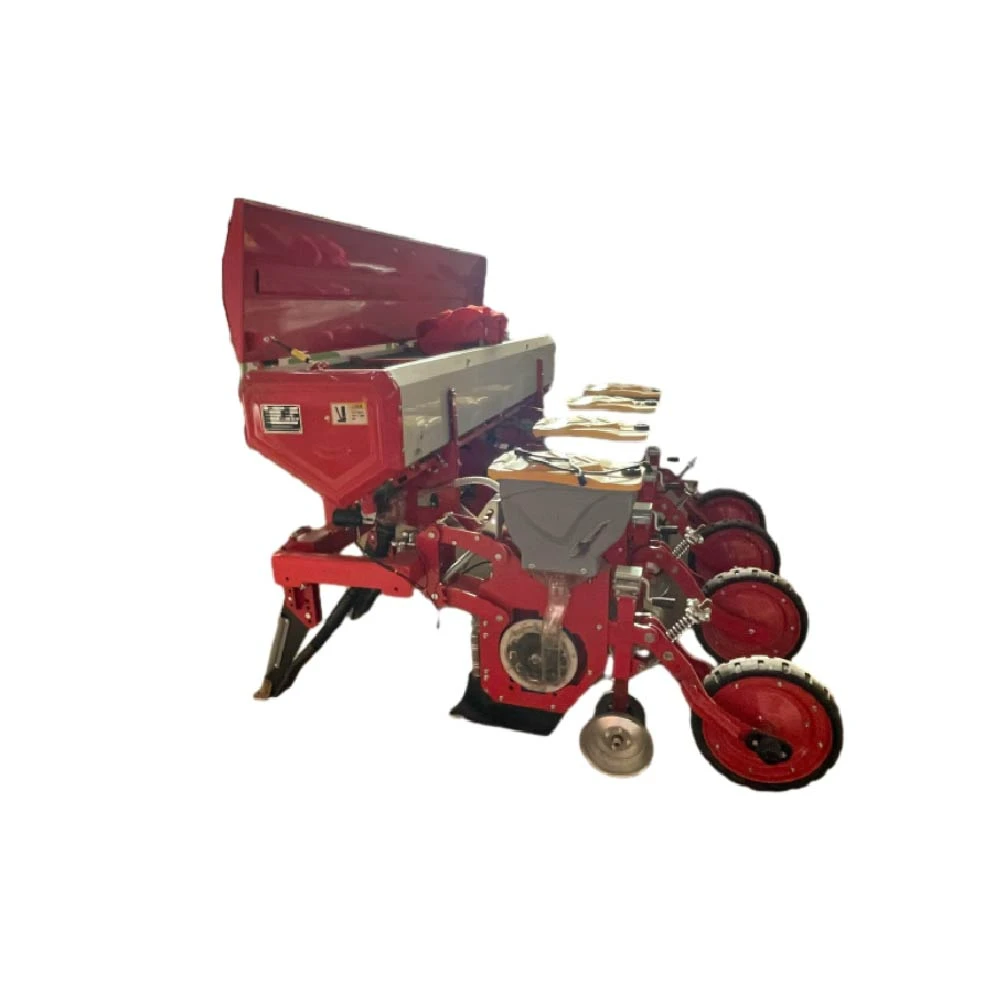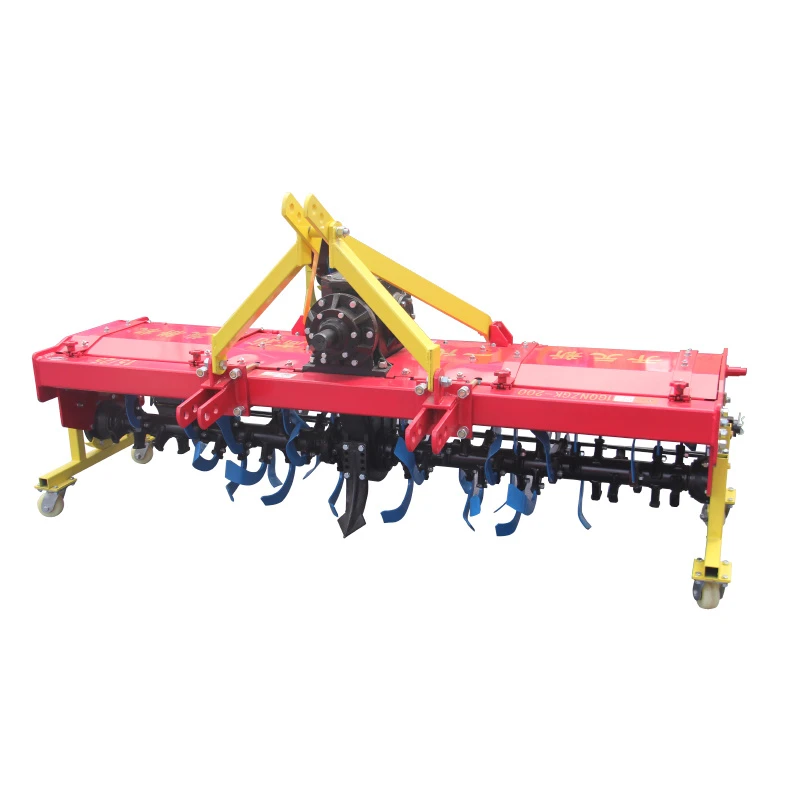
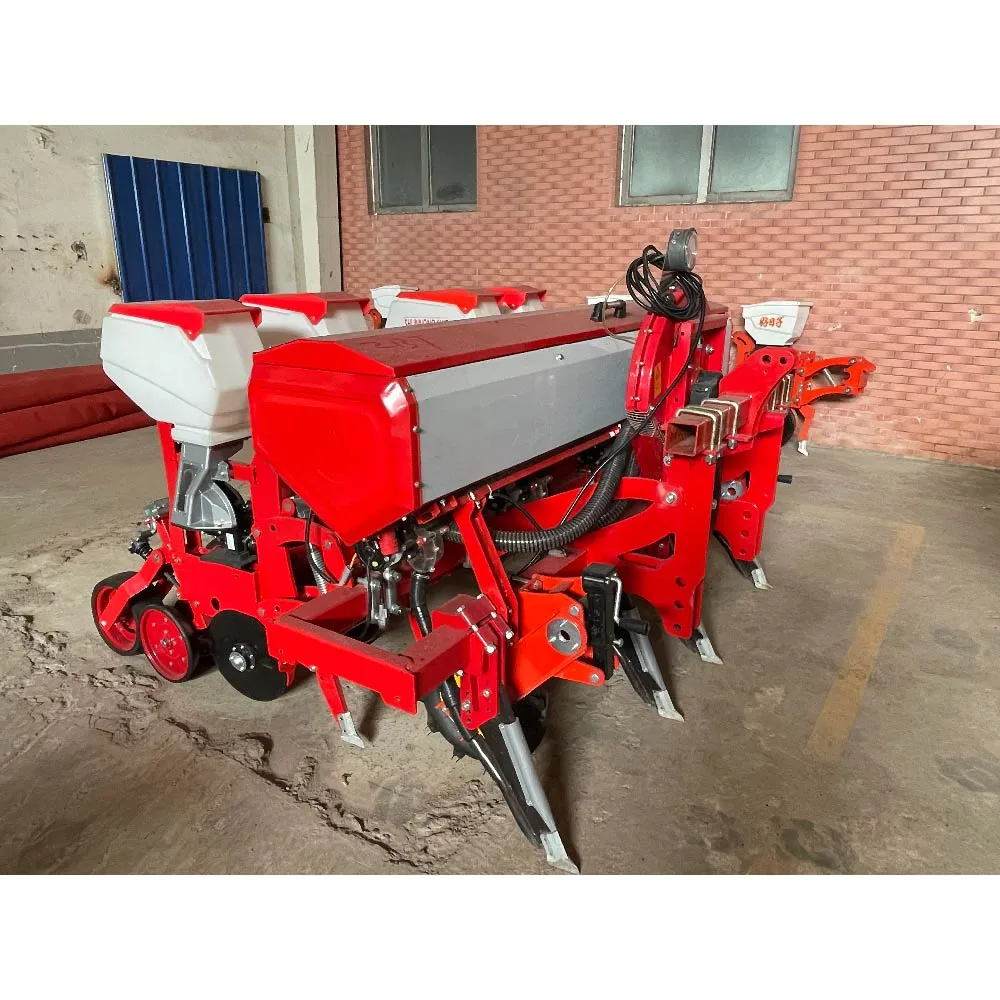
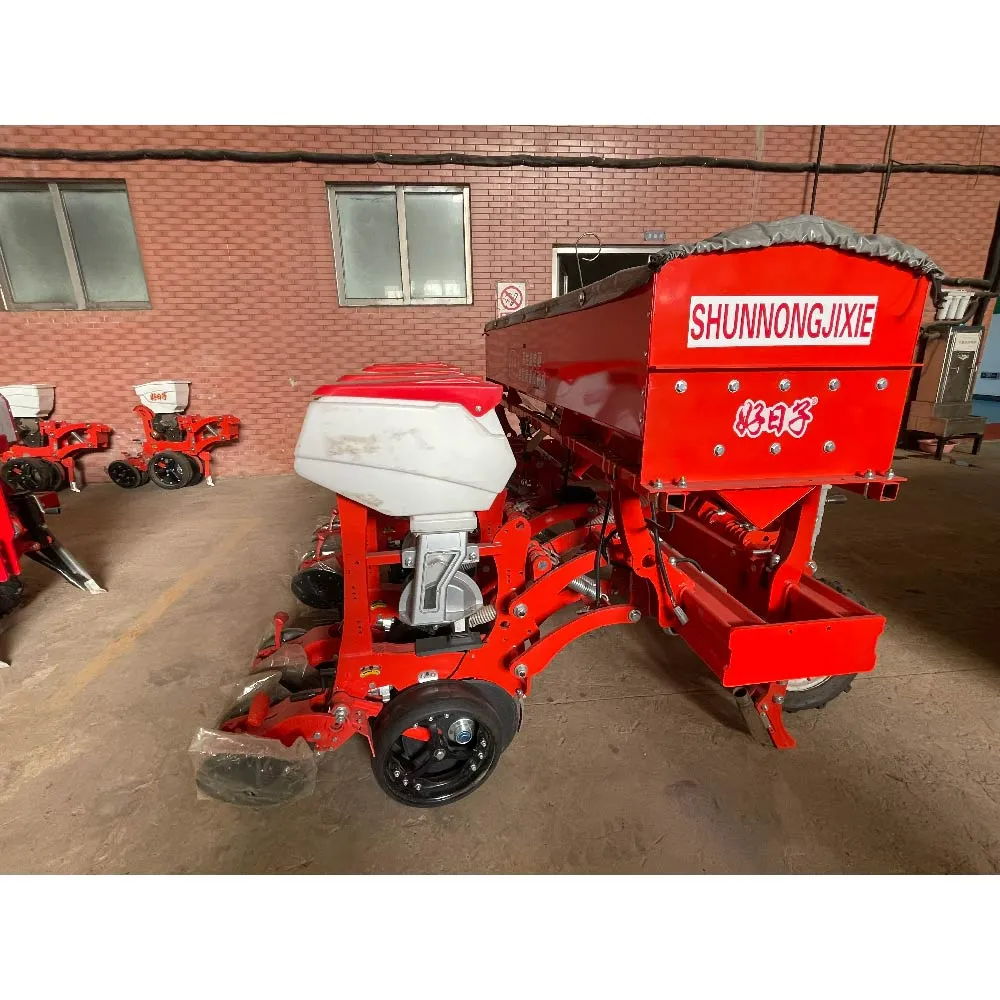
Product Description
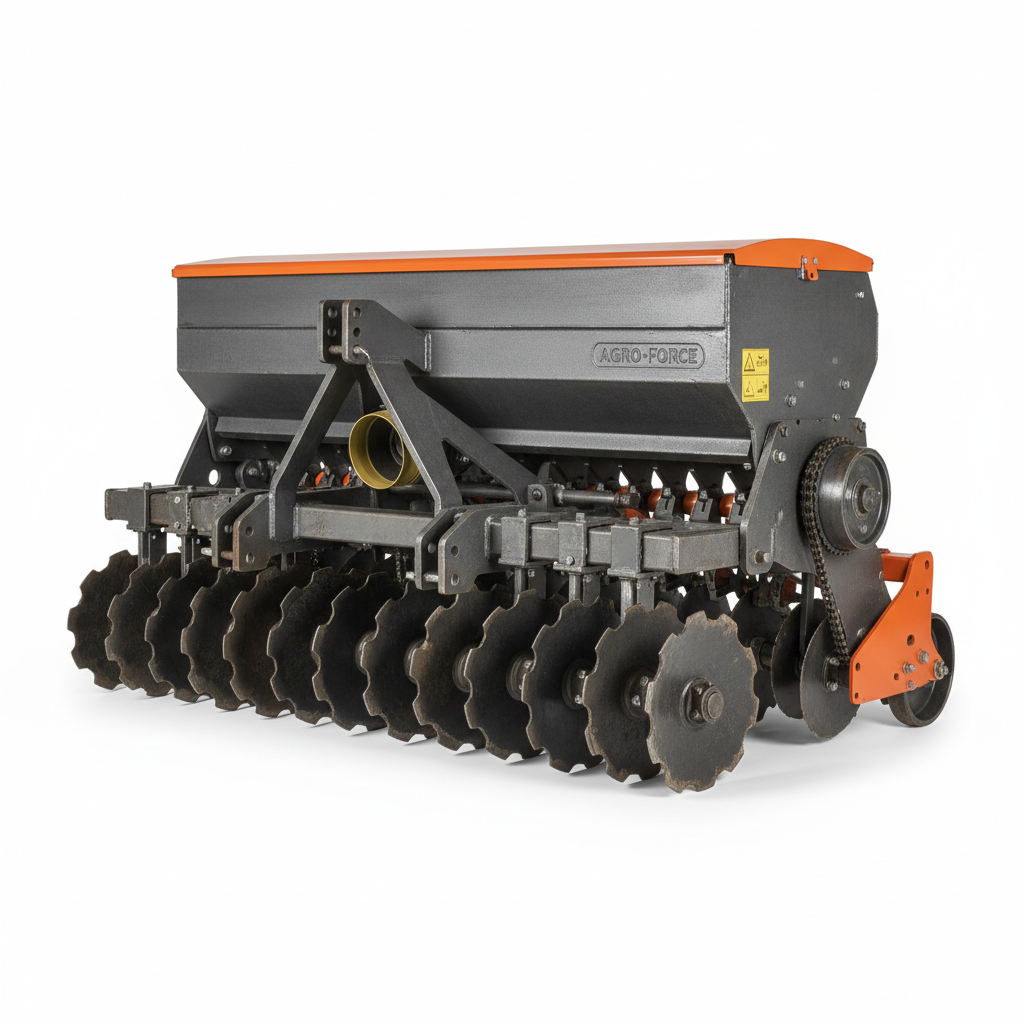
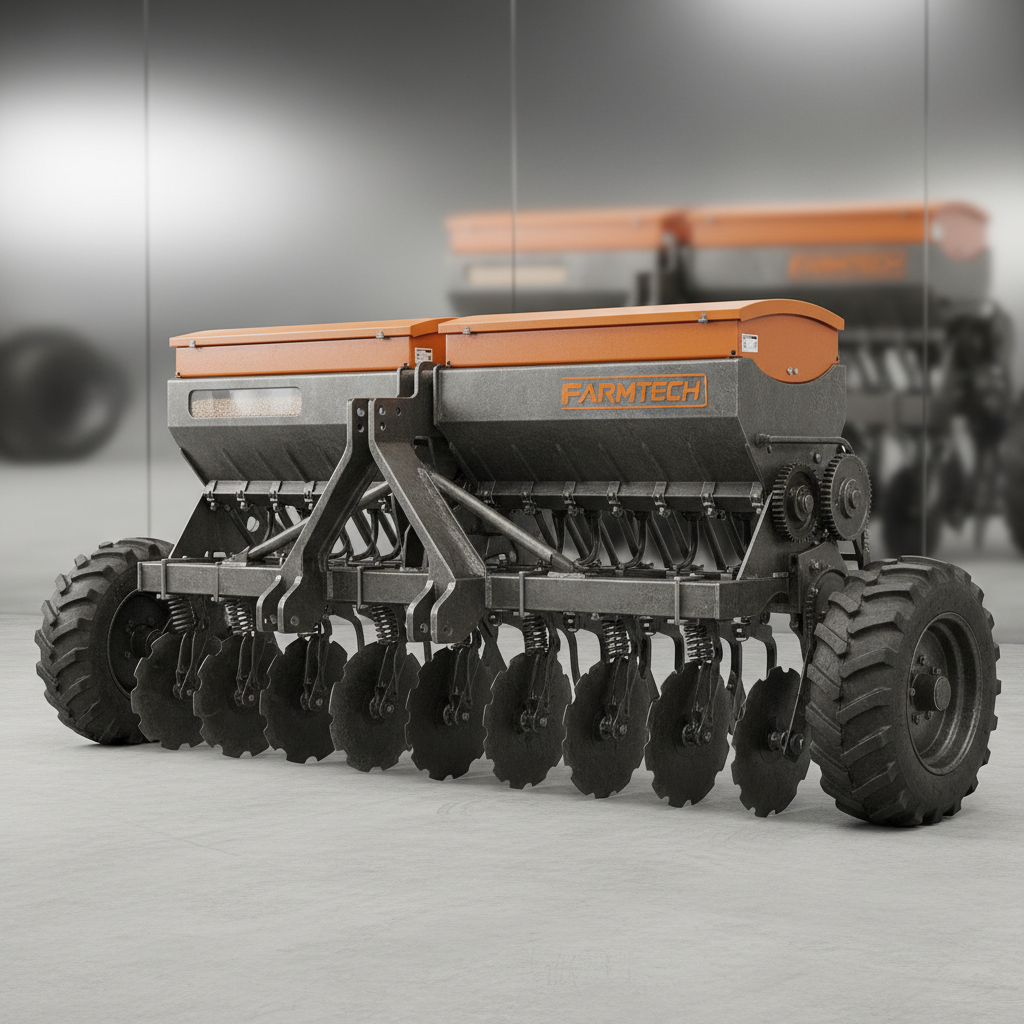
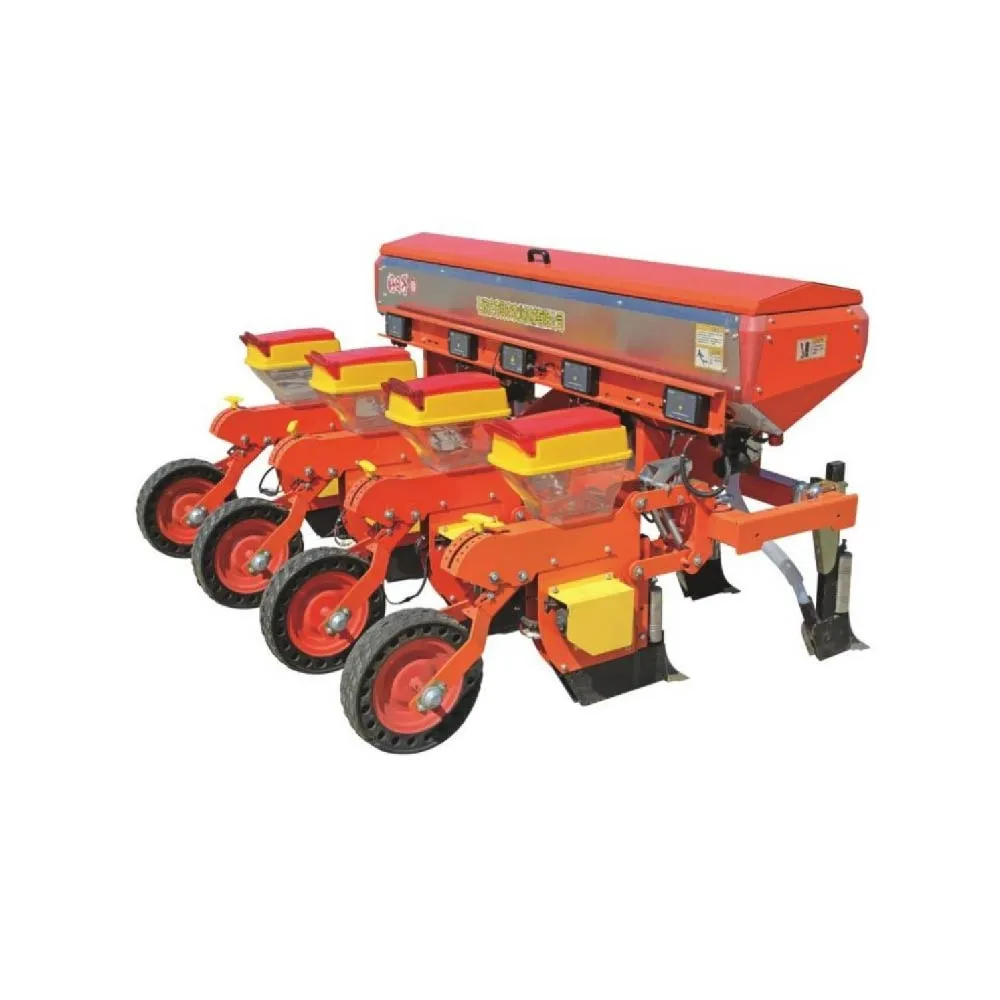
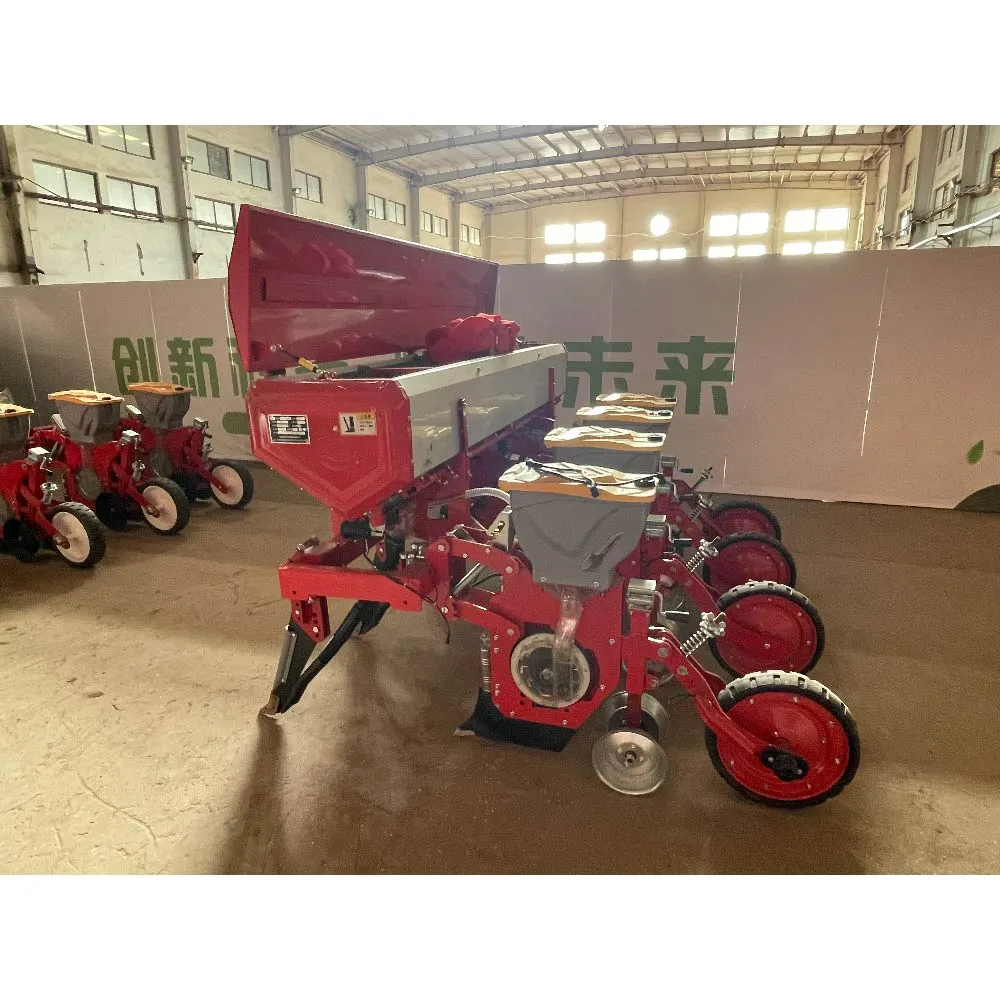
The Intelligent Combined Seeder is a cutting-edge agricultural equipment designed to revolutionize the seeding process in modern farming. This advanced machine integrates multiple functions into a single, efficient system, eliminating the need for separate devices for tasks such as soil preparation, seed sowing, fertilizer application, and even initial soil covering. Equipped with state-of-the-art sensors, precision control systems, and intelligent software, it can adapt to various soil types, crop varieties, and field conditions with remarkable accuracy.
At its core, the seeder features a high-capacity seed hopper that can hold large quantities of different seeds, allowing for continuous operation without frequent refilling. The seed metering mechanism, powered by a variable-speed motor and guided by AI algorithms, ensures that each seed is planted at the optimal depth and spacing. This not only maximizes seed germination rates but also promotes uniform crop growth, a critical factor in achieving high yields. Additionally, the integrated fertilizer distribution system works in sync with the seeding process, delivering the right amount of nutrients directly to the seed zone, reducing fertilizer waste and enhancing nutrient absorption by young plants.
The Intelligent Combined Seeder is also built for durability and ease of use. Its robust frame is made of high-strength steel, capable of withstanding the rigors of daily use in harsh agricultural environments. The user-friendly control panel, with a large touchscreen display, allows farmers to set parameters such as seeding depth, spacing, and fertilizer rate with just a few taps. Moreover, it supports wireless connectivity, enabling remote monitoring and control via a mobile app. Farmers can check the seeder’s working status, adjust settings, and even receive real-time alerts for issues like low seed levels or mechanical malfunctions, all from the convenience of their smartphones or tablets.
Whether used in large-scale commercial farms or smallholder agricultural operations, this seeder is versatile enough to handle a wide range of crops, including grains (wheat, corn, rice), oilseeds (soybeans, canola), and vegetables (tomatoes, carrots). It can operate efficiently on both flat fields and sloped terrain, thanks to its advanced leveling system that maintains consistent seeding depth regardless of ground unevenness.
Product Short Description
The Intelligent Combined Seeder is an all-in-one agricultural solution that integrates precision seeding, fertilizer application, and soil preparation, powered by AI and smart sensors to optimize crop yields, reduce waste, and simplify farming operations for all scales of agriculture.
Product Advantages
1.Precision and Yield Optimization: Driven by AI algorithms and high-precision sensors, the seeder ensures accurate seed spacing and depth, which is crucial for maximizing germination rates. Studies have shown that uniform seeding can increase crop yields by up to 15% compared to traditional seeding methods. The synchronized fertilizer application further enhances nutrient availability for young plants, promoting healthy growth and improving overall crop quality.
2.Time and Labor Efficiency: By combining multiple tasks—soil tillage, seeding, fertilizing, and soil covering—into a single pass, the Intelligent Combined Seeder significantly reduces the number of operations required in the field. This translates to substantial time savings; for a 100-acre farm, it can cut seeding time by half compared to using separate machines. Additionally, the user-friendly interface and remote control capabilities minimize the need for manual labor, allowing farmers to manage more land with fewer resources.
3.Resource Conservation: The seeder’s precise fertilizer distribution system reduces fertilizer waste by up to 20% by delivering nutrients only where they are needed—directly in the seed zone. This not only lowers farming costs but also minimizes the environmental impact of excess fertilizer runoff, which can contaminate water sources. The efficient seed metering also reduces seed waste, ensuring that every seed is used effectively, a key advantage for farmers working with high-value crop seeds.
4.Versatility and Adaptability: Designed to handle diverse soil types (from clay to sandy soils) and a wide range of crops, the seeder is a flexible tool for modern farms. Its adjustable seeding depth and spacing settings allow farmers to customize operations based on specific crop requirements. For example, it can plant corn at a deeper depth (2-3 inches) and wider spacing (8-12 inches) while switching to a shallower depth (0.5-1 inch) and closer spacing (2-3 inches) for small-seeded vegetables like lettuce. The advanced leveling system also ensures consistent performance on sloped fields, expanding its usability across different farm terrains.
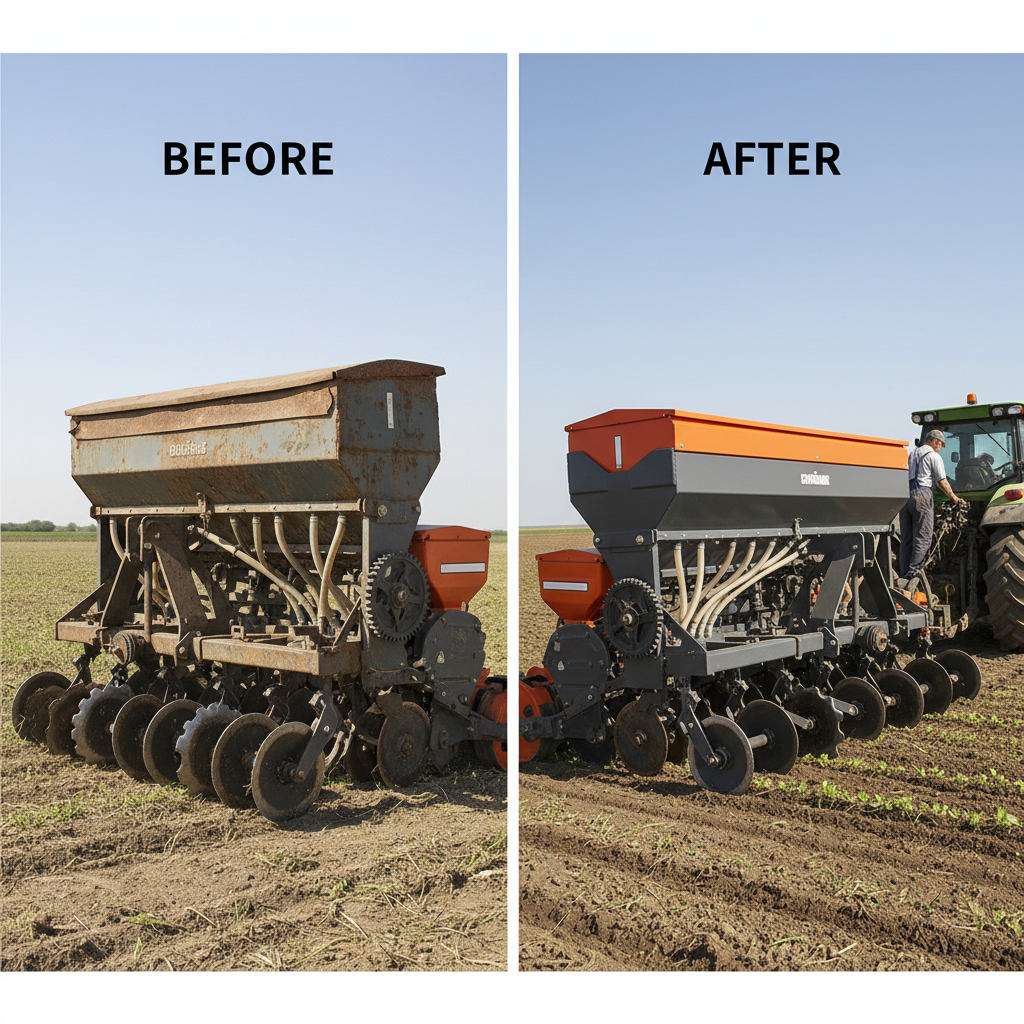
5.Durability and Low Maintenance: Constructed with high-strength steel and corrosion-resistant components, the Intelligent Combined Seeder is built to withstand the harsh conditions of agricultural use, including exposure to dust, moisture, and heavy loads. The sealed bearings and protected electrical systems reduce the risk of mechanical failures, while the modular design makes maintenance and repairs easier. Most components can be replaced quickly without the need for specialized tools, minimizing downtime and ensuring that the seeder remains operational during critical seeding seasons.
6.Data-Driven Farming Support: The seeder’s wireless connectivity and data logging capabilities allow farmers to collect and analyze valuable farming data, such as seeding rates, fertilizer usage, and field coverage. This data can be integrated with farm management software to generate detailed reports, helping farmers make informed decisions about future planting strategies, resource allocation, and crop rotation. Over time, this data-driven approach enables continuous improvement in farming efficiency and productivity.
1: How the Intelligent Combined Seeder Adapts to Different Soil Types and Crop Varieties for Maximum Productivity
Soil type and crop variety are two of the most critical factors that influence seeding success, and the Intelligent Combined Seeder is engineered to address the unique challenges posed by each. For clay soils, which are dense and retain moisture, the seeder’s adjustable tillage components can loosen the soil to the ideal texture before seeding, preventing seedling suffocation. Its sensors can detect soil moisture levels, automatically adjusting seeding depth to avoid planting seeds in waterlogged areas. In contrast, for sandy soils, which drain quickly and are prone to erosion, the seeder’s soil covering mechanism applies a light layer of mulch after seeding to retain moisture and protect seeds from wind displacement.
When it comes to crop varieties, the seeder’s AI-powered control system stores pre-programmed settings for hundreds of common crops. For example, for wheat, a staple grain crop, the seeder is calibrated to plant seeds at a depth of 1-1.5 inches with a spacing of 6-8 inches, ensuring optimal root development. For oilseeds like canola, which have smaller seeds, the metering system switches to a more delicate mode to avoid damaging the seeds while maintaining precise spacing. Farmers can also create custom profiles for less common crops, inputting parameters such as seed size, germination requirements, and nutrient needs. This level of adaptability ensures that the seeder can deliver consistent performance across different soil and crop combinations, making it an indispensable tool for farms with diverse planting portfolios.
2: The Role of AI and Smart Sensors in Enhancing the Performance of the Intelligent Combined Seeder
AI and smart sensors are the backbone of the Intelligent Combined Seeder, transforming traditional seeding into a data-driven, highly efficient process. The seeder is equipped with multiple types of sensors, including soil moisture sensors, soil temperature sensors, and seed flow sensors, which collect real-time data as the machine operates. Soil moisture and temperature sensors provide critical information about the soil’s condition, allowing the AI system to adjust seeding depth—for instance, planting seeds deeper in dry soil to reach moisture or shallower in cold soil to speed up germination. Seed flow sensors monitor the rate at which seeds are being planted, alerting the system if there is a blockage or if the seed supply is running low, preventing gaps in the seeding pattern.
The AI algorithm processes this sensor data instantaneously, making dynamic adjustments to ensure optimal performance. For example, if the seeder encounters a patch of compacted soil, the AI system increases the power to the tillage components to break up the soil, while simultaneously adjusting the seeding depth to maintain consistency. The AI also learns from past operations, using data from previous seeding seasons to refine settings for specific fields or crops. Over time, this machine learning capability allows the seeder to become more efficient, adapting to the unique characteristics of a farm’s land.
Additionally, the integration of AI enables remote monitoring and control. Farmers can access the seeder’s data through a mobile app, viewing real-time metrics such as seeding progress, fertilizer usage, and fuel levels. They can also make adjustments to settings from a distance—for example, increasing the fertilizer rate for a section of the field that was identified as nutrient-deficient in a previous soil test. This level of control not only saves time but also ensures that the seeder is always operating at peak efficiency, maximizing yields and minimizing waste.
smart seeder
smart seeder machine
smart seeder price
smart super seeder